

# Unlocking Nature's Ancient Pharmacy: A Journey Through Plant Wisdom and Healing Power
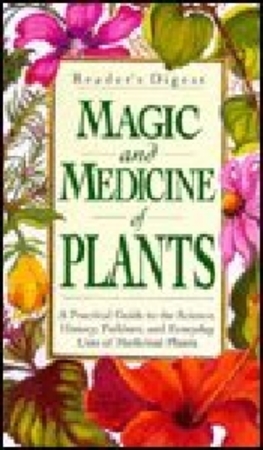
Throughout human history, plants have served as humanity's primary medicine cabinet, offering remedies for countless ailments and conditions that plague the body and spirit. This comprehensive exploration takes readers on a fascinating journey through the intersection of botanical science and traditional healing practices, revealing how plants have shaped our understanding of wellness and continue to offer remarkable therapeutic potential in our modern world.
The connection between plants and human health runs deeper than most people realize. Long before pharmaceutical laboratories synthesized modern medicines, healers across cultures discovered that certain plants possessed extraordinary healing properties. These weren't coincidental discoveries, but rather the result of keen observation, intuitive understanding, and generations of accumulated knowledge passed down through families and communities. This exploration delves into that rich heritage while also examining what modern science has revealed about why these plant remedies actually work.
What makes this particular exploration so valuable for readers seeking genuine transformation and wellness is its holistic approach. Rather than separating plants into arbitrary categories of folklore versus legitimate medicine, it presents a nuanced understanding that honors both traditional wisdom and scientific validation. Readers discover that many plants considered merely superstitious remedies by modern medicine in past decades have now been thoroughly researched and validated by rigorous scientific studies. This restoration of credibility to ancient plant knowledge carries profound implications for how we approach our own health and healing.
The content spans an impressive range of plant varieties, each with its own story and properties. From common kitchen herbs that possess surprising medicinal power to more exotic plants from around the globe, the material illuminates how different cultures have utilized botanical resources based on their local environments and needs. This geographical and cultural perspective broadens readers' understanding of healing as a universal human endeavor, one that transcends boundaries and connects us to our ancestors and to people across the world.
One of the most transformative aspects of this material is how it empowers readers to take greater responsibility for their own health and wellness. By understanding which plants support specific body systems and what conditions they address, individuals can make more informed decisions about their healthcare approach. This knowledge becomes especially valuable for those interested in complementary and alternative medicine, nutritional healing, and preventive wellness strategies. Rather than passively accepting whatever treatment is prescribed, readers gain the foundation to actively participate in their healing journey.
The exploration also addresses practical applications that readers can integrate into daily life. Whether through herbal teas, culinary uses, or more formal preparations, many of the plants discussed are accessible and can be incorporated into modern living with relative ease. This accessibility democratizes healing knowledge, making wellness practices available to those seeking alternatives to pharmaceutical interventions or those wishing to complement conventional medical treatment.
Beyond physical healing, many plants have been traditionally recognized for their capacity to support emotional and spiritual wellbeing. This acknowledgment of the mind-body-spirit connection aligns perfectly with contemporary understanding that true health encompasses all dimensions of our being. Readers exploring this material often find themselves contemplating the deeper relationship between nature and human consciousness.
The scientific approach underlying this exploration also matters significantly. By grounding plant knowledge in research and evidence, the material bridges the gap between skeptics and believers, creating common ground for discussion and understanding. This evidence-based perspective doesn't diminish the value of traditional knowledge; rather, it demonstrates that our ancestors understood something real about plant medicine that deserves serious consideration.
For those on a path of personal growth and transformation, understanding plant medicine represents a reconnection with natural wisdom and a step toward greater self-sufficiency and health autonomy. This journey invites readers into a deeper appreciation of the natural world and their place within it, fostering both healing and awakening.