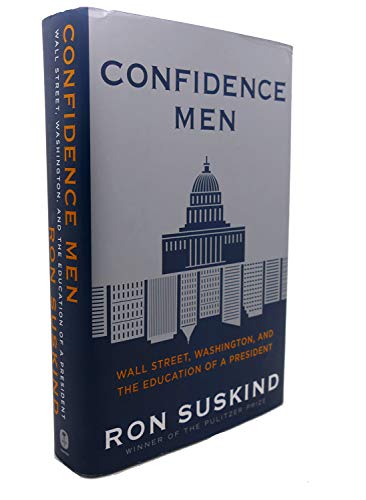



At the heart of effective leadership lies a fundamental question that affects every organization, relationship, and personal endeavor: what happens when confidence becomes a facade, and how do we distinguish authentic authority from carefully constructed illusion? This penetrating examination takes readers behind the scenes of one of the most critical periods in modern American history—the aftermath of the 2008 financial crisis—to reveal universal truths about power, trust, and the psychology of influence that apply far beyond the corridors of government.
Drawing from hundreds of hours of interviews and unprecedented access to decision-makers during a time of national emergency, this narrative explores the complex dynamics that emerge when confidence must be manufactured in the midst of chaos. The financial collapse that threatened the global economy created a unique laboratory for observing how leaders respond under extreme pressure, how teams function when stakes are existential, and how competing visions of reality can paralyze even the most powerful institutions.
Readers will discover profound insights into the psychology of confidence itself—not the authentic self-assurance that comes from competence and preparation, but the performative variety that leaders sometimes deploy when circumstances demand projection of certainty despite underlying confusion. This exploration reveals how organizational culture, personal ego, and ideological commitments can create echo chambers where genuine dialogue becomes impossible and where the appearance of control substitutes for actual problem-solving.
The narrative illuminates several critical themes relevant to anyone seeking personal growth and effectiveness in their own spheres of influence. First, it demonstrates how the selection of advisors and the construction of inner circles fundamentally shapes outcomes. The tendency to surround ourselves with voices that confirm our existing worldview rather than challenge it emerges as a recurring pattern with devastating consequences. This offers valuable lessons for readers examining their own relationships and seeking to cultivate environments that foster genuine growth rather than comfortable stagnation.
Second, the material provides a masterclass in recognizing the difference between strategic thinking and reactive crisis management. When leaders lack clear philosophical frameworks or become paralyzed by conflicting advice, they often default to short-term tactical responses that fail to address root causes. This pattern plays out not just in government but in businesses, families, and personal lives whenever we prioritize immediate relief over sustainable solutions.
The examination of competing economic philosophies and their proponents offers readers insight into how deeply held beliefs shape perception and action. The tension between those advocating bold, transformative intervention and those counseling caution and incremental change reflects debates that occur at every level of human organization. Understanding these fundamental differences in worldview helps readers recognize similar dynamics in their own decision-making processes and in the leaders they choose to follow.
Perhaps most valuable for personal development is the unflinching look at how communication breakdowns occur even among intelligent, well-intentioned people operating under shared purpose. The failure of information flow, the distortion of messages through hierarchical structures, and the way that individuals can become marginalized or sidelined within organizations all serve as cautionary tales. These dynamics reveal how power consolidates, how dissenting voices get silenced, and how groupthink emerges even in environments supposedly designed to prevent it.
The material also explores the concept of political and personal capital—how trust is built, spent, and sometimes squandered. Leaders who fail to spend their accumulated goodwill on transformative action often find that capital evaporates through inaction just as surely as through mistakes. This insight applies powerfully to anyone seeking to create change in their personal or professional life: momentum unused becomes momentum lost.
For readers interested in social consciousness and systemic change, this account provides sobering lessons about the entrenched nature of institutional power and the difficulty of implementing reform even when crisis creates apparent opportunity. The gap between campaign promises and governing reality, between inspirational vision and bureaucratic execution, offers important perspective on the complexities of translating values into action.
Ultimately, this deeply reported narrative serves as a mirror for examining our own leadership challenges, our relationships with authority, and our capacity for clear-eyed assessment of difficult truths. The lessons extend far beyond their immediate historical context to illuminate timeless questions about integrity, effectiveness, and what it truly means to lead with authentic confidence rather than manufactured certainty.