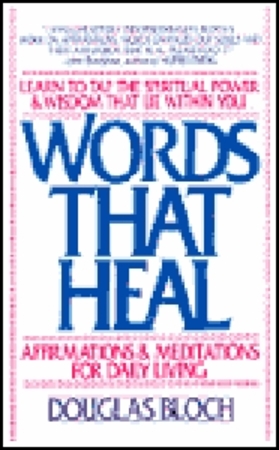



Words possess a remarkable and often underestimated power to shape our inner worlds and transform our lived experience. Every day, we engage in a constant stream of internal dialogue and external communication that influences not only how we feel but also how we perceive ourselves, relate to others, and move through the world. Yet most people remain largely unconscious of this profound influence, speaking and thinking in habitual patterns that may undermine their wellbeing, limit their potential, and perpetuate cycles of suffering.
This exploration of language as a healing modality reveals how conscious, intentional communication can become a gateway to profound personal transformation. The practice of choosing words with awareness and purpose represents one of the most accessible yet powerful tools available for anyone seeking to enhance their mental health, deepen their spiritual practice, and create meaningful change in their relationships and circumstances.
The foundation of this work rests on a simple but revolutionary understanding: that language is not merely a neutral vehicle for expressing thoughts that already exist, but rather a creative force that actively shapes reality. The words we habitually use become embedded in our neural pathways, influencing our perception of what is possible and impossible. When someone repeatedly tells themselves they are inadequate, stupid, or unlovable, these declarations create grooves in consciousness that become increasingly difficult to escape. Conversely, intentional use of affirming and truthful language can gradually reshape these patterns, opening pathways to healing and growth.
Readers will discover practical applications for incorporating conscious language into daily life. This includes understanding how to identify negative self-talk patterns that may have been running beneath awareness for years or decades. Many people carry internalized critical voices, often absorbed from parents, teachers, or early experiences, that continue to dictate their choices and limit their possibilities. By bringing these patterns into consciousness and examining them with compassion, individuals can begin to question their validity and create new internal narratives.
The journey involves learning to distinguish between thoughts and truth. Just because the mind produces a thought does not make that thought factually accurate or helpful. This crucial distinction becomes particularly important when addressing self-limiting beliefs. Someone might think, "I'm not creative," but this thought may simply reflect a lack of opportunity to explore creative expression rather than an objective truth about their nature. By understanding this difference, people gain the freedom to choose different thoughts and thereby different outcomes.
This work emphasizes the importance of language that honors reality while simultaneously opening toward possibility. This is not about denial or toxic positivity, but rather about speaking and thinking in ways that are both truthful and generative. For instance, acknowledging genuine difficulty while also recognizing capability and resilience creates a more complete and empowering narrative than dwelling exclusively in either problem or solution.
The healing dimension of conscious language extends powerfully into relationships. The words we choose when communicating with others shape the quality of connection we experience. Mindful communication fosters understanding, reduces conflict, and creates space for authentic intimacy. Conversely, careless or reactive speech often reinforces misunderstandings and damages trust. By becoming more intentional about how we speak, we transform not only our inner experience but also the relational field we inhabit.
For those engaged in spiritual practice, this exploration of language becomes a meditation practice itself. Noticing words, examining their origins, considering their impact, and consciously choosing alternatives becomes a form of mindfulness and self-inquiry. This alignment between language and intention supports deeper authenticity and accelerates the development of wisdom and compassion.
Ultimately, this approach to language recognizes that personal transformation is accessible to anyone willing to pay attention and practice with intention. The power to heal, grow, and evolve lives not in distant future moments or in others' hands, but in the words we speak today.