
Happiness & Success
Achieving Happiness Through Acceptance of Life
The quest for happiness often leads to frustration, as many fail to realize that the...









Understanding how we approach death and dying reveals profound truths about how we choose to live. Through intimate portraits of individuals who made the conscious decision to spend their final days at home rather than in hospitals or institutions, this work offers a transformative exploration of courage, dignity, and the sacred dimensions of life's closing chapter.
Drawing from years of experience as both a pediatrician and chaplain, these collected narratives illuminate what becomes possible when people embrace their mortality with open eyes and willing hearts. Each story presents a different journey, yet common threads emerge: the importance of familiar surroundings, the healing power of honest conversations, the deep comfort of being surrounded by loved ones, and the unexpected gifts that arise when we stop fighting against the inevitable and instead create space for authentic presence.
The families and individuals portrayed demonstrate remarkable bravery in choosing to face death outside the medical-industrial complex that so often dominates end-of-life care. These choices were rarely easy. They required difficult conversations, practical planning, emotional fortitude, and a willingness to move against cultural currents that equate medical intervention with hope and home death with giving up. Yet what emerges from these accounts is precisely the opposite: staying home becomes an act of profound affirmation, a way of honoring life by acknowledging its natural rhythms and limits.
Read more ▼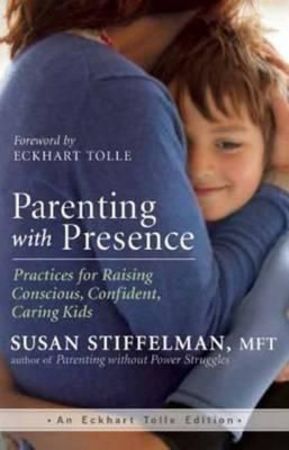
Susan Stiffelman
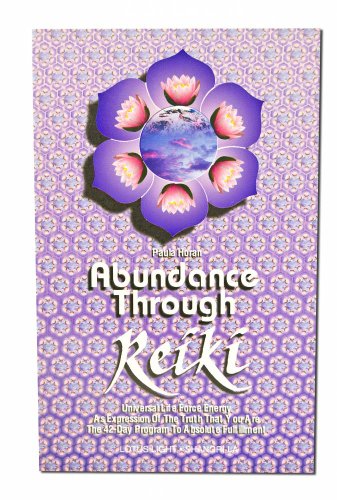
Paula Horan
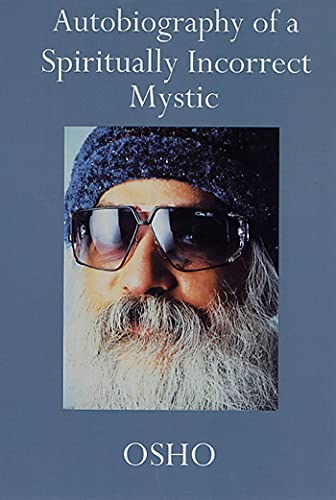
Autobiography of a Spiritually Incorrect Mystic
Bhagwan Rajneesh

The little giant encyclopedia of meditations & blessings
Nathaniel Altman
The quest for happiness often leads to frustration, as many fail to realize that the...

Reaching sixty can evoke complex emotions, blending relief with ongoing ambition. This...

The quest for life's purpose often leads to unsatisfactory answers. This article...

Romantic love is a complex emotion shaped by historical, cultural, and biological...

Imagine going through one of the most physically and emotionally demanding experiences...

Daily actions often conflict with personal beliefs due to past experiences. By utilizing...

Have you ever argued over something that wasn't actually said? From cultural differences...

Therapists often use dream interpretation to delve into patients' emotions, but true...