
Happiness & Success
Achieving Happiness Through Acceptance of Life
The quest for happiness often leads to frustration, as many fail to realize that the...








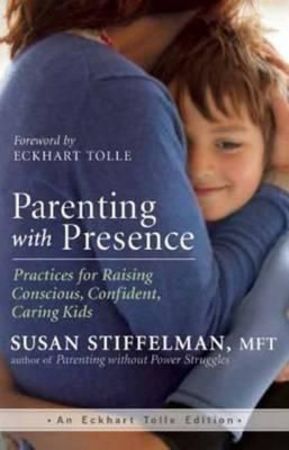
When children act out, melt down, or push every button we have, our instinctive response often involves reacting from a place of stress, fear, or frustration. We raise our voices, issue threats, or withdraw emotionally, only to feel guilty and ineffective afterward. Yet there exists a profoundly different approach to raising children—one rooted in mindfulness, presence, and the understanding that our inner state directly shapes our children's development and our relationship with them.
At the heart of this transformative approach lies a simple but revolutionary concept: children don't need perfect parents, but they desperately need present ones. Presence means showing up fully in each moment with our children, grounded in our own emotional center rather than swept away by the chaos of daily family life. It means becoming the calm in the storm rather than adding to the turbulence. This isn't about permissive parenting or letting children run wild; rather, it's about leading from a place of quiet confidence and authentic connection.
The framework presented here recognizes that effective parenting begins with self-awareness and inner work. Before we can guide our children skillfully, we must first understand our own triggers, wounds, and reactive patterns. Many parenting struggles actually stem from our unresolved childhood experiences, unmet needs, and the unconscious ways we attempt to avoid feeling uncomfortable emotions. When a child's tantrum triggers our shame, or their defiance awakens our need for control, we're no longer responding to the actual child before us but rather to ghosts from our own past.
Read more ▼
Jonas Atlas
Paris Stephenson

Newton, Michael

Wayne W. Dyer
The quest for happiness often leads to frustration, as many fail to realize that the...

Reaching sixty can evoke complex emotions, blending relief with ongoing ambition. This...

The quest for life's purpose often leads to unsatisfactory answers. This article...

Romantic love is a complex emotion shaped by historical, cultural, and biological...

Imagine going through one of the most physically and emotionally demanding experiences...

Have you ever argued over something that wasn't actually said? From cultural differences...

Daily actions often conflict with personal beliefs due to past experiences. By utilizing...

Therapists often use dream interpretation to delve into patients' emotions, but true...