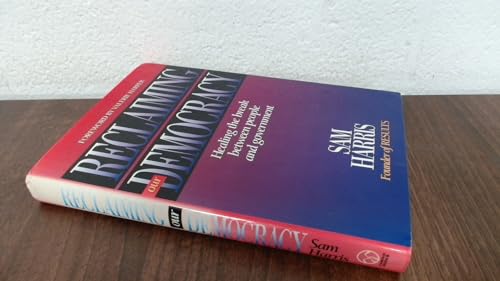
Democracy stands as one of humanity's most ambitious experiments in collective self-governance, yet it remains profoundly vulnerable to apathy, manipulation, and the erosion of informed citizenship. This transformative work explores the critical intersection between personal consciousness and political responsibility, revealing how the health of our democratic institutions directly reflects the consciousness of the people who sustain them.
At its core, this exploration addresses a fundamental paradox that plagues modern democracies: despite living in societies with unprecedented access to information and communication, many citizens feel increasingly disconnected from meaningful participation in governance. The book examines how this disconnect arises not merely from external political structures, but from our collective inability to engage with democracy as a practice requiring sustained attention, critical thinking, and genuine commitment to the common good.
Readers will discover how our personal patterns of thinking, believing, and relating to truth deeply influence our capacity to function as informed citizens. The work draws compelling connections between individual psychological habits and broader political dysfunction, demonstrating that the fragmentation, polarization, and irrationality plaguing public discourse often mirror the fragmentation within individual consciousness. This insight proves revolutionary for those seeking to understand why reasonable people often cannot communicate across ideological divides.
The exploration emphasizes that reclaiming democracy requires more than electoral participation or policy advocacy. True democratic citizenship demands that we examine our own thinking processes, acknowledge our biases, and develop the intellectual humility necessary to engage honestly with perspectives different from our own. This psychological and spiritual dimension of citizenship often receives insufficient attention in traditional political discourse, yet it proves essential for creating the conditions where genuine democratic deliberation can flourish.
Throughout these pages, readers encounter practical insights into how mindfulness, critical reasoning, and honest self-examination strengthen democratic participation. The work demonstrates that individuals committed to understanding their own minds tend to become more discerning consumers of political information, more resistant to manipulation, and more capable of advocating for change grounded in principle rather than tribal loyalty.
The book addresses the troubling ways that personal disengagement enables democratic deterioration. When citizens withdraw from active participation, when they allow themselves to become passive consumers of political narratives spoon-fed by partisan media, they create a vacuum filled by those least committed to democratic values. Understanding this dynamic proves crucial for anyone genuinely concerned about the future of democratic governance.
Readers will also explore how spiritual and contemplative traditions offer resources for developing the qualities necessary for healthy democratic citizenship. Practices fostering clarity, compassion, and commitment to truth become tools for personal transformation that simultaneously strengthen our capacity to participate meaningfully in collective self-governance. This holistic approach recognizes that sustainable political change grows from changed consciousness.
The work ultimately argues that democracy cannot be reclaimed through external reforms alone. True renewal requires citizens willing to examine their own complicity in democratic dysfunction, to develop more rigorous thinking, and to commit themselves to seeking truth rather than confirming predetermined beliefs. This represents genuinely transformative work, demanding both courage and integrity.
For those seeking to understand the deeper dimensions of political crisis and to discover how personal growth directly serves democratic renewal, this exploration offers invaluable perspective. It addresses readers who recognize that our current political challenges reflect something more fundamental than mere policy disagreements or structural failures. Those ready to accept personal responsibility for democracy's future will find here both diagnosis and pathway forward, merging insights from philosophy, psychology, and practical political wisdom into a coherent vision of what conscious citizenship requires.