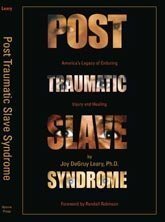
Discover how centuries of systemic oppression have created deep psychological patterns that continue to affect individuals and communities today. This groundbreaking work explores the largely unexamined wounds carried through generations, particularly within African American families and communities, and reveals pathways toward genuine healing and transformation.
At its core, this exploration addresses a critical gap in psychological understanding. While trauma is widely recognized and treated when it stems from individual experiences, the cumulative impact of collective historical trauma has been largely overlooked by mainstream mental health professionals. The book presents a compelling argument that descendants of enslaved people carry psychological imprints—patterns of thinking, behaving, and relating—that originated during centuries of dehumanization and continued oppression. These patterns were not chosen but absorbed, internalized, and passed down through family systems and cultural narratives.
Readers will discover the concept of maladaptive survival mechanisms that made perfect sense within oppressive systems but now create dysfunction in modern life. For instance, emotional numbing became necessary for psychological survival in systems designed to inflict pain. Hypervigilance developed as a protective response to constant danger. Distrust of authority emerged as a rational adaptation to systems designed to exploit. What once served as life-preserving strategies now manifest as anxiety disorders, relationship difficulties, difficulty with emotional intimacy, and self-sabotaging behaviors. Understanding this connection transforms shame into compassion and creates space for genuine healing.
The book examines how these patterns manifest across multiple life domains. In educational settings, readers will understand why some students struggle with authority and institutional trust, or why achievement anxiety develops even when opportunities are available. In workplace environments, the residual effects appear as difficulty with advancement, challenges with leadership, or conflicts in hierarchical relationships. Within families, these patterns create cycles of parenting styles, conflict resolution approaches, and attachment patterns that repeat across generations unless consciously interrupted.
What makes this work particularly valuable is its focus on the distinction between individual therapy and systemic healing. Traditional therapeutic approaches often treat symptoms while ignoring the historical and ongoing context that generates them. This exploration moves beyond individual pathology to examine how communities and entire populations can heal from shared trauma. It offers frameworks for understanding behavior through a lens of historical context rather than personal blame, which fundamentally shifts the healing journey from shame to liberation.
The practical value lies in recognition and awareness. When individuals understand that certain patterns originated from adaptive responses to oppression rather than personal failure or family dysfunction alone, they gain agency in creating change. The book provides language and concepts that help people name their experiences, connect their personal struggles to larger historical narratives, and recognize that healing is not just an individual responsibility but also a collective possibility.
Throughout this exploration, readers encounter case studies, historical context, and therapeutic insights that illuminate how past trauma operates in the present moment. The connection between historical events and contemporary health outcomes becomes clear, whether those outcomes manifest as physical illness, mental health challenges, relationship conflicts, or behavioral patterns that seem inexplicable without this historical lens.
For those committed to personal growth and spiritual development, this work offers profound insight into the roots of suffering and the genuine possibility of transformation. Healing becomes possible not through denial of historical trauma but through acknowledgment, understanding, and intentional reconstruction of patterns. The book invites readers into a compassionate understanding of themselves and their communities, creating foundation for authentic growth that addresses not just symptoms but underlying wounds.
This transformative exploration ultimately serves those seeking to understand themselves more deeply and to participate consciously in breaking cycles of generational trauma.