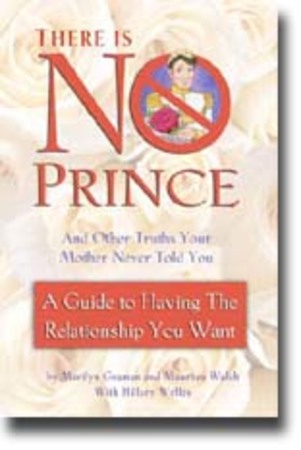
Many of us grew up with fairy tales whispered in our ears—stories of princes who would rescue us, of happily ever afters that required nothing but patience and beauty, of external salvation arriving at precisely the right moment. These narratives, passed down through generations with the best of intentions, have shaped how we see ourselves, our potential, and our place in the world. Yet what happens when we reach adulthood and discover that the prince never arrives? What shifts when we realize that the power to transform our lives has always resided within us?
This transformative exploration challenges the foundational myths that have historically constrained women's self-perception and agency. Through thoughtful examination and honest reflection, readers will discover how the stories we absorbed in childhood continue to influence the choices we make, the relationships we enter, the careers we pursue, and the version of ourselves we present to the world. More importantly, they will learn how to consciously rewrite these narratives to align with who they truly are and who they wish to become.
The book addresses a critical gap in personal empowerment literature by focusing on how internalized cultural narratives function as invisible scripts governing our behavior and self-concept. Many women and men find themselves operating from inherited belief systems that no longer serve them—if they ever did. These scripts often promote passivity, external validation-seeking, and a diminished sense of personal agency. By bringing awareness to these patterns, readers can begin the liberating work of authoring their own stories rather than living out scripts written by others.
Throughout this journey, readers will encounter practical wisdom alongside deeper philosophical inquiry. The exploration considers how cultural conditioning intersects with individual experience, creating unique patterns of thought and behavior in each person. It recognizes that while we share many common narratives—particularly those rooted in gender roles and fairy tale consciousness—our personal responses to these stories are nuanced and individual. This understanding creates space for authentic self-discovery rather than prescriptive solutions.
One of the most valuable aspects of this work is its emphasis on personal responsibility as empowerment rather than blame. There is a crucial distinction between recognizing how we have been conditioned and holding ourselves accountable for the choices we make going forward. Readers will learn to approach this distinction with compassion while simultaneously claiming their power. This balance between self-compassion and self-accountability is essential for sustainable personal transformation.
The examination extends to relationships, both romantic and otherwise. By understanding how fairy tale narratives have shaped expectations around love, partnership, and interdependence, readers gain tools for creating more authentic connections. They discover that true intimacy emerges not from rescue fantasies but from two whole people choosing to engage with each other consciously and intentionally.
Additionally, this work addresses the professional and creative dimensions of life that are often sidelined in personal development literature focused on relationships. Readers will explore how limiting narratives affect their career aspirations, professional identity, and creative expression. The freedom that comes from releasing old stories creates space for ambition, innovation, and the pursuit of meaningful work based on authentic values rather than inherited expectations.
By engaging with this material, readers embark on a path toward genuine empowerment. This is not the superficial empowerment of positive thinking alone, but the deep transformation that comes from understanding how we have been shaped and deliberately choosing new directions. It is about recognizing that the life you want to live requires your active participation as author, not your passive role as character in someone else's narrative.
The ultimate gift of this exploration is permission—permission to question, to reject, to choose, and to create. It is an invitation to step into your own agency and discover that the most important transformation you can undertake is the one you author yourself.