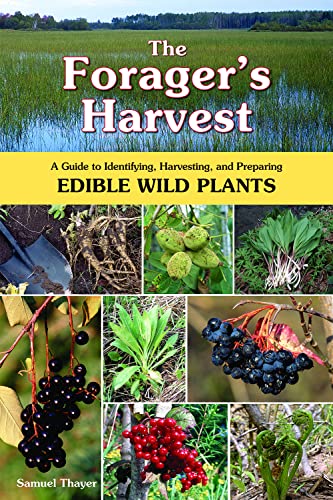




Discover the transformative power of self-sufficiency and ecological awareness through the practice of wild food foraging. This comprehensive guide opens a gateway to understanding the relationship between humans and the natural world, offering practical knowledge that has sustained civilizations for millennia. By learning to identify, harvest, and prepare wild edible plants, readers embark on a journey that reconnects them to their roots, builds confidence in their ability to provide for themselves, and fosters a deeper appreciation for the living world around them.
The modern human experience often feels disconnected from nature's rhythms and provisions. Most people obtain their food from supermarket shelves, rarely considering where it comes from or how it grows. This separation creates a fundamental disconnection from our environment and from the self-reliance that characterized human existence for thousands of years. The practice of gathering wild foods bridges this gap, offering not just sustenance but also a pathway to personal empowerment and spiritual renewal. When you learn to feed yourself directly from the land, you reclaim a piece of human dignity and independence that industrial food systems have diminished.
This guide provides meticulous instruction on identifying native plants found in North American regions, focusing on species that offer genuine nutritional value and present minimal risk to the forager. Rather than overwhelming readers with obscure plants, the content concentrates on accessible species that thrive in common environments—forests, fields, wetlands, and even urban spaces. The descriptions are detailed and practical, featuring reliable identification methods that prevent dangerous mistakes. Readers will learn the distinguishing characteristics that separate edible plants from their potentially toxic lookalikes, understanding the physical features, growing patterns, and seasonal variations that make identification certain and safe.
Beyond mere identification, you will discover comprehensive information about when and how to harvest each plant to maximize both nutritional content and environmental sustainability. The practice of foraging carries ethical responsibility; proper harvesting ensures that plant populations continue to thrive and regenerate. Learning these methods transforms foraging from simple collection into conscious stewardship of natural resources. This aspect of the practice aligns perfectly with the values of ecological awareness and social consciousness that drive personal growth beyond the self.
The preparation and culinary applications receive thorough attention as well. Wild foods offer unique flavors and nutritional profiles that cultivated crops cannot replicate. Learning diverse preparation methods expands your culinary creativity while connecting you to traditional food cultures that have honored these plants for generations. Many wild foods contain higher concentrations of minerals, vitamins, and phytonutrients than their domesticated counterparts, offering genuine health benefits that extend beyond basic nutrition. By incorporating foraged foods into your diet, you invest in your physical wellbeing while simultaneously reducing your dependence on commercial food production systems.
The deeper significance of foraging extends into personal empowerment and psychological wellbeing. The process of learning plant identification sharpens observational skills and deepens attention to natural details. Walking through forests or meadows with purpose, noticing seasonal changes, and developing expertise in your local ecosystem builds confidence and competence. This tangible mastery over a specific domain of knowledge creates psychological satisfaction that many modern people lack. You become an expert in something real and valuable.
Additionally, foraging practice fosters humility and respect for nature's complexity. The natural world operates according to principles beyond human control—weather patterns, insect populations, seasonal cycles—reminding us that we are participants in a larger system rather than its masters. This perspective shift carries profound implications for personal growth and spiritual development. Understanding your place within nature's web of relationships cultivates wisdom, patience, and acceptance of life's uncertainties.
For those seeking meaningful ways to engage with environmental consciousness, reduce their ecological footprint, and develop genuine self-sufficiency skills, this comprehensive resource provides the knowledge and confidence necessary to begin. The journey toward becoming a skilled forager is simultaneously a journey toward deeper personal transformation.