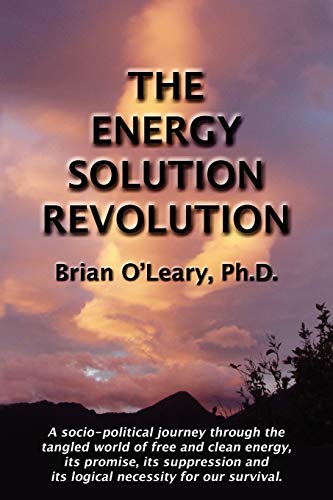

Discover how the convergence of clean energy innovation and democratic renewal offers humanity a genuine pathway toward systemic change. This exploration reveals the deeply interconnected relationship between how we power our civilization and how we govern ourselves, presenting compelling evidence that our energy choices are fundamentally political choices that shape our freedom, our communities, and our future.
The centralization of power—both literal and metaphorical—stands at the heart of our contemporary political challenges. Conventional energy systems depend on massive, hierarchical infrastructures controlled by large corporations and government agencies. This centralized model mirrors and reinforces the concentration of political power that increasingly distances decision-making from the people most affected by those decisions. By understanding how energy systems reflect and perpetuate existing power structures, readers gain profound insight into why genuine democratic transformation requires reimagining how we produce and distribute the energy that sustains modern life.
Throughout these pages, you will encounter detailed examination of breakthrough technologies that make distributed, renewable energy not merely possible but economically superior to fossil fuel dependence. Solar power, advanced wind systems, geothermal resources, and other clean technologies can be implemented at local and regional scales, fundamentally decentralizing power generation. This decentralization matters far beyond environmental considerations—it directly addresses the concentration of authority that undermines democratic accountability and citizen participation in governance.
The book presents a compelling argument that the same interests controlling fossil fuel industries have structured our political systems to maintain dependence on centralized energy infrastructure. Once you understand these connections, the resistance to renewable energy transitions becomes comprehensible not merely as scientific debate but as political power struggle. This recognition empowers readers to see through misleading narratives and understand the genuine stakes involved in energy policy decisions.
What becomes increasingly clear through careful analysis is that communities controlling their own energy resources possess greater autonomy over their own futures. When citizens generate their own power, they reduce dependence on distant corporations and centralized government agencies. This shift toward energy independence directly enables democratic independence—the capacity to make local decisions without predetermined constraints imposed by external authorities. The implications extend throughout every aspect of community life, from economic development to environmental protection to social justice.
The text examines how the energy solution revolution necessarily involves ordinary people becoming informed participants in decisions previously reserved for technical experts and political elites. Readers discover that understanding renewable energy systems and their implementation represents empowerment equivalent to literacy in previous eras. When citizens comprehend how their energy systems function and what alternatives exist, they become capable of genuine democratic participation in energy policy rather than passive recipients of decisions made by distant institutions.
Additionally, the exploration addresses how the transition to sustainable energy creates opportunities for economic democratization. Distributed energy systems support local entrepreneurship, community ownership models, and cooperative enterprises rather than concentrating wealth and control in multinational corporations. This economic dimension proves essential to understanding why democratic societies cannot achieve true self-governance while remaining dependent on energy monopolies.
The spiritual and philosophical dimensions of this transformation merit careful attention. Moving from extractive, exploitative relationships with natural systems toward regenerative, sustainable approaches represents a fundamental shift in consciousness about humanity's place within nature and society. This consciousness shift underlies all genuine progress toward more just, participatory, and democratic systems.
By connecting clean energy revolution to democratic transformation, this examination offers hope grounded in practical possibility. The solutions exist. The obstacles are primarily political, rooted in entrenched power rather than in any lack of technological capability. Understanding this reality empowers readers to become agents of change rather than passive observers of seemingly inevitable decline.