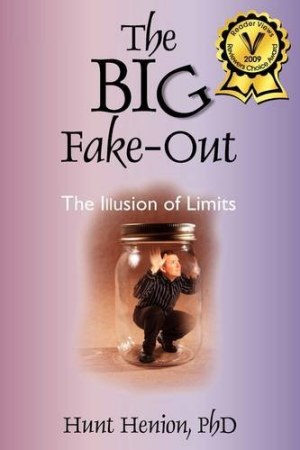


Most of us have learned to present a carefully constructed version of ourselves to the world. We've mastered the art of saying what people want to hear, looking successful when we feel uncertain, and hiding our vulnerabilities behind a polished exterior. This survival strategy served us well at some point, perhaps protecting us from criticism, rejection, or disappointment. But what happens when the mask becomes more real than the face beneath it? What cost do we pay when we've forgotten who we actually are?
This exploration delves into one of the most profound yet overlooked obstacles to personal transformation: the elaborate faking we do in virtually every area of our lives. From relationships and careers to spirituality and self-improvement, many of us have become experts at performing rather than being. We pursue personal growth while remaining fundamentally dishonest about where we actually stand. We talk about authenticity while carefully curating which parts of ourselves we allow others to see. We seek enlightenment while maintaining the same defensive patterns that keep us trapped.
The central premise examines how this widespread pattern of inauthenticity undermines our potential for genuine change. Real transformation cannot occur on a foundation of deception, even well-intentioned deception directed at ourselves. No amount of positive affirmations, meditation practices, or self-help strategies can overcome the fundamental disconnect between who we pretend to be and who we actually are. Until we acknowledge this gap and become willing to face what's really going on inside and around us, we remain stuck in a loop of surface-level changes that never penetrate to our core.
Readers will discover how the faking operates in subtle, often invisible ways. It's not just about outright lies or intentional deceptions. It includes the unconscious ways we filter our perception, the automatic responses we've learned to give, the success metrics we've accepted without questioning, and the identities we've adopted without examining. We fake confidence while harboring deep self-doubt. We fake okay-ness while wrestling with anxiety or depression. We fake certainty about our life direction while following paths we never consciously chose. This constant performance exhausts our authentic energy and diverts it away from genuine self-discovery and growth.
Throughout this exploration, specific areas of life where faking commonly occurs are examined in depth. In relationships, we explore how our masks prevent real intimacy and connection. In work and achievement, we investigate how pursuing someone else's definition of success distances us from our actual values and talents. In spirituality and personal development, we expose how we can become fraudulent in our own transformation journey. In health and wellbeing, we reveal how denying our true physical and emotional needs undermines our attempts to create lasting positive change.
Most importantly, this work provides a pathway out of the faking cycle. Rather than adding another layer of practices or techniques to our existing framework of inauthenticity, readers learn how to excavate the honest ground beneath all the performance. This requires courage because the truth about ourselves is often uncomfortable. We might discover that we don't actually want the life we've been working toward. We might realize we've been following someone else's script. We might acknowledge fears and desires we've been suppressing. These discoveries, while initially unsettling, are the necessary foundation for real transformation.
The value of this investigation extends far beyond individual benefit. When we stop faking and start being authentic, we change the quality of our relationships, our work, and our communities. Authenticity is contagious. When we stop performing, others feel permission to lower their masks too. Real connection becomes possible. Genuine collaboration becomes possible. Meaningful change becomes possible.
For anyone serious about personal growth and transformation, this exploration offers an essential counterpoint to much of the personal development industry. It asks the hard questions that precede all sustainable change: Are you being real with yourself? What are you pretending about? What would become possible if you stopped faking and started being?