


Happiness & Success
Achieving Happiness Through Acceptance of Life
The quest for happiness often leads to frustration, as many fail to realize that the...









A transformative journey awaits those who open these pages, one that weaves together ancient Celtic mythology, personal memoir, and profound spiritual inquiry into a tapestry of healing and self-discovery. Through the lens of Irish heritage and goddess spirituality, readers are invited to explore how reconnecting with ancestral wisdom can illuminate the path toward personal wholeness and empowerment.
At the heart of this exploration lies the compelling archaeological discovery of an ancient body preserved in an Irish bog—a red-haired young woman whose mysterious presence becomes a portal into examining questions of identity, belonging, and the sacred feminine. This remarkable find serves as both historical artifact and spiritual catalyst, prompting a deep dive into what it means to reclaim lost parts of ourselves and our collective past.
The narrative skillfully intertwines three distinct yet beautifully complementary threads. First, there is the scholarly investigation into Celtic goddess traditions and the reverence ancient peoples held for the feminine divine. Second, readers encounter intimate reflections on growing up Irish-American, navigating the complexities of cultural heritage in a modern world that often disconnects us from our roots. Third, and perhaps most powerfully, the work presents a personal reckoning with family trauma, alcoholism, and the journey toward healing generational wounds.
Read more ▼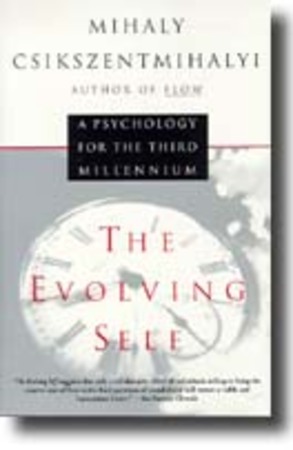
Mihaly Csikszentmihalyi

Please Don't Wish Me a Merry Christmas
Stephen M. Feldman
The quest for happiness often leads to frustration, as many fail to realize that the...

Reaching sixty can evoke complex emotions, blending relief with ongoing ambition. This...

The quest for life's purpose often leads to unsatisfactory answers. This article...

Romantic love is a complex emotion shaped by historical, cultural, and biological...

Imagine going through one of the most physically and emotionally demanding experiences...

Daily actions often conflict with personal beliefs due to past experiences. By utilizing...

Have you ever argued over something that wasn't actually said? From cultural differences...

Therapists often use dream interpretation to delve into patients' emotions, but true...