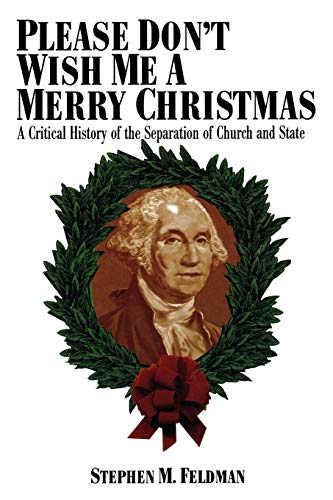
Navigating the intersection of religious expression and secular society presents one of the most profound challenges facing modern individuals and communities. This groundbreaking exploration examines how we can honor personal spiritual convictions while respecting the diverse beliefs of those around us, offering readers a pathway toward greater understanding and meaningful coexistence in our pluralistic world.
The central question at the heart of this work addresses something many of us have experienced but rarely examined deeply: what happens when our individual religious practices and cultural celebrations encounter a society composed of people with vastly different or no religious beliefs? Rather than offering easy answers, this work invites readers to engage in genuine reflection about the nature of religious freedom, the limits of accommodation, and the genuine struggles that arise when personal expression meets public life.
The exploration begins by unpacking the historical and constitutional foundations of religious liberty in America. Readers will discover how the framers of American democracy envisioned the relationship between government and religion, and how these eighteenth-century principles continue to shape contemporary debates about prayer in schools, religious symbols in public spaces, and the proper boundaries between personal faith and civic participation. By understanding these foundational concepts, you'll gain insight into why certain conflicts arise and what deeper principles underlie surface-level disputes.
Moving beyond abstract constitutional theory, the work examines real-world scenarios that illustrate the genuine tensions inherent in a diverse society. Whether exploring holiday celebrations, religious expression in workplaces, education in public schools, or the display of religious symbols in civic spaces, readers encounter the lived experiences that demonstrate why religious freedom is never simple. These concrete examples help you understand that reasonable, well-intentioned people often reach different conclusions about how to balance individual conscience with communal life.
One of the most valuable aspects of this inquiry involves examining how various religious and secular communities have approached these questions. By studying different perspectives—from strict separationists who believe religion and government should remain entirely distinct, to accommodationists who argue for greater religious expression in public life, to those seeking middle ground—readers develop a more nuanced understanding of the genuine value in each viewpoint. This exposure to multiple perspectives is transformative for personal empowerment, as it enables you to form more sophisticated opinions rather than accepting simplistic positions.
The work also addresses the psychological and spiritual dimensions of these conflicts. When someone cannot openly practice their religion in public spaces, or conversely, when secular individuals feel their values are being marginalized by religious expression, real emotional costs result. Understanding these subjective experiences alongside constitutional principles creates a more complete picture of what's actually at stake in these debates. Readers will find themselves developing greater empathy for those whose perspectives differ from their own.
Perhaps most importantly for personal growth, this examination encourages readers to become more thoughtful citizens and more compassionate neighbors. Rather than viewing disagreements about religious expression as simple battles between right and wrong, you'll learn to see them as complex negotiations between equally important values: individual conscience, community cohesion, religious freedom, and equal treatment under law. This perspective shift is genuinely empowering, as it moves us beyond polarized thinking toward more sophisticated and compassionate engagement.
The work ultimately serves as both an intellectual investigation and a practical guide for living respectfully in a diverse society. Whether you are deeply religious, completely secular, or somewhere in between, you'll find insights that help you understand your own convictions more deeply while appreciating why others hold different views. In our increasingly fragmented world, this capacity for genuine understanding and respectful disagreement may be one of the most valuable skills we can develop for both personal peace and social stability.