



Happiness & Success
Achieving Happiness Through Acceptance of Life
The quest for happiness often leads to frustration, as many fail to realize that the...








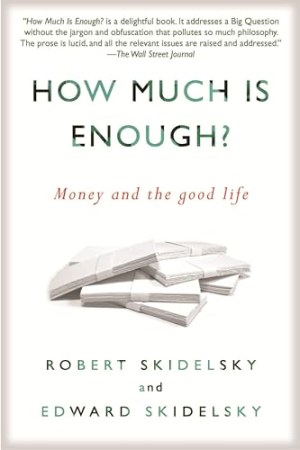
At the heart of modern civilization lies a troubling paradox: despite unprecedented wealth and material abundance in developed nations, we find ourselves working longer hours, experiencing higher levels of anxiety, and feeling less satisfied than previous generations. This profound exploration delves into one of the most pressing questions of our time—when does the pursuit of more become a barrier to the good life, and what constitutes genuine prosperity?
Drawing on philosophy, economics, history, and ethics, this work challenges the fundamental assumption that has driven Western societies since the Industrial Revolution: that endless economic growth and increasing consumption are the pathways to human fulfillment. Readers will discover a powerful argument that questions whether GDP growth should remain our primary measure of societal success and individual well-being. Instead, the investigation turns toward timeless questions about what makes life worth living and how we should organize our societies to promote genuine human flourishing.
The exploration begins with the concept of "enough"—a word that has nearly disappeared from our economic vocabulary. By examining the ideas of great thinkers from Aristotle to Keynes, readers gain insight into how previous generations conceived of the good life, one characterized not by limitless accumulation but by having sufficient resources to pursue what truly matters: relationships, knowledge, creativity, appreciation of beauty, and meaningful engagement with our communities. The analysis reveals how economic thinking gradually shifted from viewing prosperity as a means to human flourishing to treating growth itself as the ultimate end.
Read more ▼
The quest for happiness often leads to frustration, as many fail to realize that the...

Reaching sixty can evoke complex emotions, blending relief with ongoing ambition. This...

The quest for life's purpose often leads to unsatisfactory answers. This article...

Romantic love is a complex emotion shaped by historical, cultural, and biological...

Imagine going through one of the most physically and emotionally demanding experiences...

Daily actions often conflict with personal beliefs due to past experiences. By utilizing...

Have you ever argued over something that wasn't actually said? From cultural differences...

Therapists often use dream interpretation to delve into patients' emotions, but true...