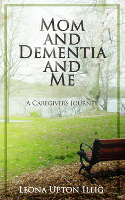

Confronting a parent's cognitive decline ranks among life's most challenging transitions. The slow erosion of memory, personality, and independence forces adult children to navigate unfamiliar emotional terrain while simultaneously grappling with practical decisions that feel impossibly heavy. This exploration of the caregiving journey offers readers a deeply personal window into one family's experience with dementia and the profound personal transformation that emerged from this crucible.
The narrative journey begins with a parent whose mind is gradually being claimed by dementia, a disease that robs individuals of their identity while simultaneously testing the limits of their loved ones' patience, compassion, and resilience. Rather than presenting a clinical overview of the disease, this account privileges the human experience—the small moments of confusion that break the heart, the unexpected episodes of clarity that offer false hope, and the daily negotiations between who the parent was and who they are becoming.
Through candid storytelling, readers will discover what it truly means to become a child to your parent. The role reversal presents challenges far beyond the logistical aspects of caregiving. There are emotional dimensions that rarely receive adequate attention: the grief of watching someone disappear before they die, the guilt that accompanies frustration and impatience, the complex feelings that arise when a parent no longer recognizes you, and the peculiar loneliness of navigating this experience while trying to maintain other relationships and responsibilities.
One of the most valuable elements of this account is its unflinching honesty about the caregiver's inner landscape. Rather than promoting a sanitized version of caregiving as purely noble or spiritually transcendent, it acknowledges the full spectrum of human response: the anger, the resentment, the exhaustion, and the moments when you question your capacity to continue. This authenticity creates space for readers who have felt such emotions to release shame and recognize their responses as normal rather than evidence of personal failure.
Throughout the narrative, readers will encounter practical wisdom about navigating the healthcare system, making crucial decisions about living situations and medical interventions, and managing the financial and legal dimensions of decline. Beyond these concrete lessons, however, sits something more profound: insight into how caregiving can catalyze spiritual and emotional growth when we remain open to the transformation it offers.
The book illustrates how crisis can become teacher, how limitation can expand consciousness, and how patience can deepen in ways we never anticipated. Many who emerge from intensive caregiving experiences report developing qualities they didn't know they possessed: reserves of compassion previously untapped, acceptance of what cannot be changed, and a clarified understanding of what truly matters in human connection.
Readers seeking personal growth will find value in the reflection on how our parents' journeys inevitably become our own. The parent's dementia becomes a mirror in which adult children confront their fears about aging, mortality, and legacy. It raises essential questions about what we wish to be remembered for, how we want to be treated when we are vulnerable, and what constitutes a life well-lived when cognitive ability fades.
The social consciousness dimensions emerge through consideration of how dementia care reveals gaps in healthcare systems, the economic burden placed on families, the isolation many caregivers experience, and the cultural discomfort surrounding aging and death. By sharing one family's experience, this narrative contributes to broader conversations about how we collectively value and support our aging population.
For anyone currently in the caregiving trenches, this account offers companionship and validation. For those approaching situations where caregiving may become necessary, it provides psychological preparation and perspective. For readers interested in personal transformation through adversity, it demonstrates how our greatest challenges often become our greatest teachers, fundamentally reshaping how we understand ourselves, our relationships, and what it means to love without conditions.