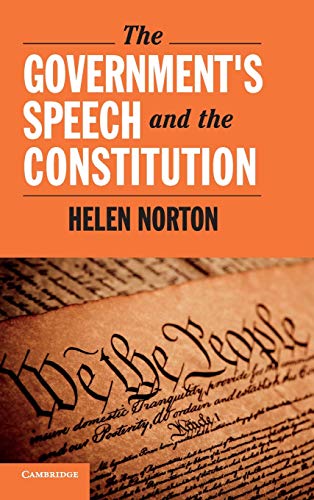
At the heart of American democracy lies a fundamental question that few of us pause to consider: What should happen when the government itself becomes a speaker? Unlike private citizens or organizations, the government wields extraordinary power and authority. When it speaks, it does so with the backing of law, taxpayer resources, and the legitimacy of democratic institutions. Yet our Constitution, particularly the First Amendment, remains strangely silent on how to regulate government speech. This absence creates a profound gap in our understanding of free speech rights and democratic accountability.
This exploration examines the constitutional principles governing when and how government can speak to the public. The stakes are higher than they might initially appear. Government speech touches virtually every aspect of public life—from educational campaigns about health and safety to political messaging from elected officials, from military recruitment to public service announcements. Understanding the boundaries and implications of government speech becomes essential for anyone committed to informed citizenship and genuine democratic participation.
The central tension at play involves competing values that lie at the foundation of democratic society. On one hand, citizens in a free society deserve access to accurate information and the ability to distinguish between government-approved positions and genuine public debate. On the other hand, governments need reasonable authority to communicate with citizens about important matters of public concern. When these values collide, as they inevitably do, we face questions without easy answers. Should taxpayer money fund government speech that promotes partisan positions? What happens when government uses its authority to drown out competing voices? How do we protect genuine democratic discourse when the most powerful speaker in our society is the government itself?
These questions become increasingly urgent in our contemporary moment. Governments at all levels—federal, state, and local—spend billions of dollars annually on communication, marketing, and messaging. This includes everything from Social Security information campaigns to environmental protection initiatives, from presidential addresses to Department of Defense public relations. The sheer scale and ubiquity of government speech means it fundamentally shapes what information citizens encounter and how we understand public issues. In an age of information overload and declining trust in institutions, understanding government communication becomes critical to our civic health.
The exploration presented here moves beyond abstract constitutional theory to examine how government speech affects real people in real communities. It considers the ways that government messaging influences public health outcomes, environmental awareness, political participation, and social cohesion. It examines the difference between government speech intended to inform and government speech designed to persuade or manipulate. It asks whether citizens can truly exercise free will and make informed choices when they are bombarded with government-sponsored messaging that may not be transparent about its sources or intentions.
Throughout this analysis, readers will discover that the regulation of government speech is not a narrow legal question confined to courtrooms and constitutional scholars. Rather, it connects directly to the health of our democracy and our ability to live as conscious, empowered citizens. When government speech operates without appropriate constitutional constraints, it can undermine the very foundations of informed consent that democracy requires. Conversely, when we establish thoughtful principles about government communication, we protect space for genuine public deliberation and individual autonomy.
For anyone concerned with personal growth, social consciousness, and democratic participation, understanding these principles matters profoundly. Our ability to think clearly about political issues, to form authentic opinions, and to engage meaningfully in civic life depends partly on our understanding of the forces that shape what we hear and how we hear it. By examining the constitutional principles governing government speech, we gain tools for more conscious citizenship, greater discernment about information sources, and deeper appreciation for the structures that either protect or threaten genuine democratic freedom.