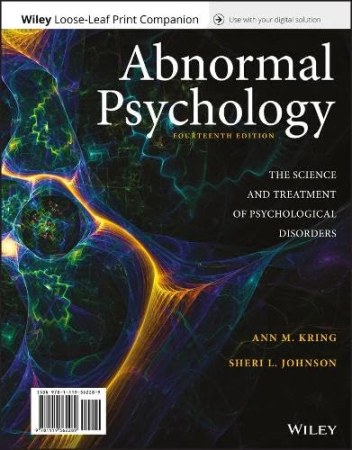
Exploring psychological disorders represents one of the most essential journeys you can take toward understanding yourself and others. This comprehensive exploration delves deep into the patterns of thinking, feeling, and behaving that deviate from societal norms, offering readers a transformative lens through which to view human experience. Whether you're seeking personal insight, professional knowledge, or simply a deeper understanding of the human psyche, this resource provides the foundation necessary for meaningful growth.
The study of abnormal psychology serves as a bridge between clinical understanding and everyday life. It examines the conditions that affect millions of people worldwide, from anxiety and depression to more complex psychiatric presentations. Rather than viewing these conditions through a purely medical lens, this approach encourages readers to understand the interconnected factors—biological, psychological, and social—that contribute to psychological difficulties. This holistic perspective aligns perfectly with the personal growth philosophy that emphasizes understanding the whole person within their unique context.
One of the most valuable aspects of exploring this subject is learning how psychological disorders actually manifest in real people's lives. Many readers discover that conditions they thought were character flaws or personal failures are actually recognized psychological phenomena with documented patterns and evidence-based treatments. This knowledge alone can be profoundly liberating, shifting shame and self-judgment into compassion and understanding. When you can recognize the mechanisms behind behaviors—both in yourself and others—you gain the power to respond with wisdom rather than reaction.
The material covers a wide spectrum of psychological conditions, examining each through multiple theoretical frameworks. Readers will encounter discussions of depression, anxiety disorders, trauma-related conditions, personality disorders, eating disorders, substance-related problems, schizophrenia, and many other conditions that impact human functioning. For each condition, you'll explore what causes it, how it develops, what symptoms appear, and what evidence-based approaches help people recover and heal. This comprehensive approach ensures that regardless of which conditions touch your life—whether personally or through relationships—you'll find relevant, accurate information.
Understanding the diagnostic criteria and classification systems used in mental health also provides tremendous value. Learning how professionals identify and categorize psychological conditions helps demystify the mental health system and empowers you to be a more informed advocate for yourself or others. This knowledge bridges the gap between personal experience and clinical understanding, creating space for more effective communication with mental health professionals.
Beyond diagnosis and symptoms, comprehensive exploration of abnormal psychology emphasizes the importance of cultural context. Psychological experience doesn't exist in a vacuum—it's deeply influenced by cultural values, social structures, and individual circumstances. This culturally sensitive approach recognizes that what appears abnormal in one context may be adaptive in another, and that effective treatment must consider these nuances. For readers committed to social consciousness and understanding diverse human experiences, this perspective proves invaluable.
The material also addresses the crucial distinction between understanding and pathologizing normal human struggles. Everyone experiences sadness, anxiety, and difficult emotions. Learning to differentiate between these universal human experiences and clinical disorders that warrant professional intervention is an important skill that prevents both over-medicalization and under-treatment.
For those working in helping professions, this knowledge provides essential professional competency. For individuals navigating their own mental health challenges or supporting loved ones, it offers hope through understanding. For spiritually oriented readers, it provides language and frameworks for discussing psychological difficulties without denying either spiritual dimensions of experience or the value of professional mental health support.
Ultimately, this exploration demonstrates that abnormal psychology isn't about labeling people as broken or defective. Rather, it's about understanding the full spectrum of human experience, recognizing patterns that cause suffering, and discovering pathways toward healing and wholeness.