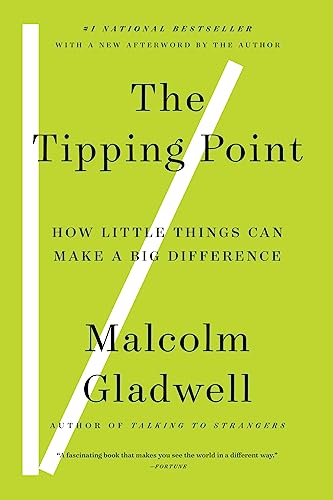
In our modern world, the relationship between people and news has become increasingly complex and often misunderstood. We live in an era where information flows constantly through multiple channels, yet many of us feel disconnected from what we're reading, watching, or hearing. This fundamental disconnect between how news organizations think their audiences consume information and how people actually engage with media represents one of the most significant blind spots in contemporary journalism.
This exploration into media consumption patterns and audience behavior reveals surprising truths about who we are as information seekers and how our actual practices diverge dramatically from industry assumptions. The insights presented challenge conventional wisdom about passive audiences and demonstrate instead that people are far more active, discerning, and complex in their relationship with news than traditional media institutions have given them credit for.
One of the core revelations involves understanding that audiences are not monolithic. People don't consume news in the ways that journalists, editors, and media corporations typically assume they do. Rather than sitting down for a comprehensive daily news experience, many individuals engage with information in fragmented, purposeful ways. Some seek specific stories that directly relate to their lives and concerns, while others engage with news sporadically or in response to particular events. This diversity of approaches means that the one-size-fits-all model of news delivery has become increasingly obsolete, yet many news organizations continue operating as though their audiences fit neatly into predetermined categories.
The exploration delves into how different demographic groups, socioeconomic backgrounds, and communities experience and interact with news media differently. What matters to one audience segment may be entirely irrelevant to another. Trust levels vary significantly, as do preferred platforms and formats. Some people prefer traditional sources, while others have embraced digital platforms completely. Understanding these variations is essential for anyone seeking to make sense of our fragmented information ecosystem.
This investigation also addresses the critical issue of media literacy and how audiences navigate an increasingly complex landscape of reliable sources, misinformation, and sophisticated propaganda. As people become more aware of potential biases and commercial interests influencing news content, they develop their own filtering mechanisms and verification strategies. Rather than passively accepting information, many individuals are becoming more active in questioning sources, cross-referencing stories, and seeking alternative perspectives.
The implications of these findings extend far beyond the newsroom. For those interested in personal empowerment and social consciousness, understanding how media actually shapes our perception of reality is crucial. By recognizing the gap between how news organizations perceive their audiences and how people genuinely interact with information, we gain power over our own consumption habits. We can make more intentional choices about what we read, how we verify information, and how we engage in civic discourse.
Furthermore, this examination highlights the responsibility that comes with our role as media consumers. As audiences increasingly aware of our own agency, we have the opportunity to demand better from news institutions while also taking responsibility for our own media literacy and critical thinking skills. This shift from passive reception to active engagement represents a form of personal empowerment that extends into our relationships, communities, and democratic participation.
For anyone seeking to understand the contemporary information landscape, build stronger critical thinking skills, or develop more conscious media consumption habits, this resource provides invaluable perspective. It offers the tools to recognize how assumptions about audiences shape what we see in the news, why certain stories get prominence while others disappear, and how our own beliefs and preferences influence what information reaches us. This knowledge ultimately empowers us to become more discerning, engaged citizens capable of navigating our complex media environment with greater awareness and intention.