
Happiness & Success
Achieving Happiness Through Acceptance of Life
The quest for happiness often leads to frustration, as many fail to realize that the...








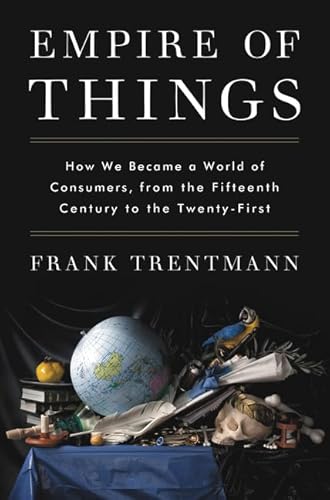
Understanding our relationship with material possessions opens a window into who we are as individuals and societies. This sweeping historical exploration traces how humans transformed from relatively modest consumers into participants in a global culture of consumption that now shapes our identities, values, and environmental future. Rather than offering simple judgments about materialism, this work presents a nuanced 600-year journey that reveals consumption as a complex force that has both enriched and complicated human existence.
The narrative begins in the fifteenth century, when the flow of goods along trade routes started accelerating, and follows the remarkable evolution through the present day. Readers discover how the Renaissance witnessed the birth of new desires for imported luxuries, how the eighteenth century saw the emergence of fashion and novelty-seeking as social forces, and how the twentieth century democratized consumption in ways previous generations could never have imagined. This isn't merely a chronicle of shopping habits—it's an investigation into how acquiring, using, and disposing of things became central to modern life.
One of the most valuable insights offered here concerns the relationship between consumption and identity formation. The exploration reveals how people have used objects to express who they are, signal their values, and connect with communities. From the choice of clothing to the selection of home furnishings, from leisure activities to food preferences, consumption became a language through which individuals communicate meaning. For readers on a personal growth journey, this perspective illuminates how unconscious consumption patterns may be shaping their sense of self in ways they haven't fully examined.
Read more ▼
Richard D. Wolff
Alex Gallo-Brown

Gar Alperovitz
Abhijit Banerjee, Esther Duflo
The quest for happiness often leads to frustration, as many fail to realize that the...

Reaching sixty can evoke complex emotions, blending relief with ongoing ambition. This...

The quest for life's purpose often leads to unsatisfactory answers. This article...

Romantic love is a complex emotion shaped by historical, cultural, and biological...

Imagine going through one of the most physically and emotionally demanding experiences...

Daily actions often conflict with personal beliefs due to past experiences. By utilizing...

Have you ever argued over something that wasn't actually said? From cultural differences...

Therapists often use dream interpretation to delve into patients' emotions, but true...