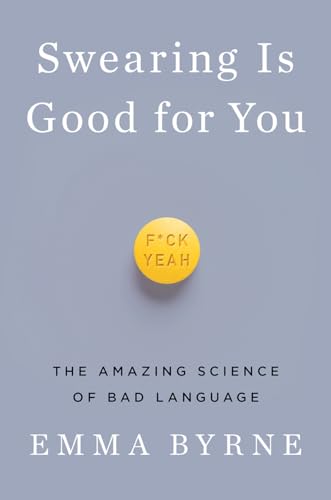

Discover how one of humanity's most taboo forms of expression can actually serve as a gateway to greater emotional authenticity, resilience, and personal power. This groundbreaking exploration challenges deeply ingrained cultural beliefs about language and behavior, revealing scientific evidence that contradicts generations of social conditioning about what we should and shouldn't say.
Most of us grew up in environments where certain words were forbidden, where our mouths were washed out with soap, where we were told that refined people simply don't speak that way. We internalized the message that profanity represents a failure of vocabulary, a mark of poor breeding, or a sign of moral deficiency. Yet emerging research from neuroscience, psychology, and linguistics paints an entirely different picture—one where strategic use of colorful language can actually enhance our wellbeing, strengthen our relationships, and help us navigate life's challenges with greater authenticity.
Throughout these pages, you'll encounter fascinating scientific studies demonstrating that people who use profanity actually tend to have larger vocabularies, not smaller ones. You'll learn about the neurological responses triggered by swearing, including the discovery that expletives activate different neural pathways than ordinary speech, which can have profound implications for pain management, stress relief, and emotional processing. The research reveals that our cultural prohibition against swearing may have caused more harm than good, leading many of us to suppress natural emotional responses and disconnect from our authentic selves.
The journey through this material invites you to reconsider assumptions you may have held your entire life. Perhaps you were taught that "good people" don't swear, that spiritual advancement requires perfect language control, or that profanity is inherently destructive. This exploration presents evidence suggesting that these beliefs are not only inaccurate but potentially limiting to your personal growth. When we rigidly suppress any form of natural human expression, we fragment ourselves, creating internal conflict between who we authentically are and who we believe we should be.
One of the most empowering discoveries within these chapters concerns emotional authenticity. Suppressing emotions requires significant psychological energy. We've all experienced the tension of biting our tongue, of smiling while we're angry, of maintaining composure when we're genuinely upset. This constant self-regulation takes a toll on our nervous system, our relationships, and our sense of self-worth. Strategic profanity, by contrast, can serve as an emotional release valve, allowing us to express intensity in a more genuine way. This authenticity actually strengthens our connections with others, as people respond more positively to genuine emotion than to carefully controlled facades.
The book also explores the cultural dimensions of this prohibition, examining how social class, gender, and power dynamics have shaped our attitudes toward profanity. You'll discover that the stigma attached to swearing is not universal across cultures and has shifted significantly throughout history. Understanding these cultural constructs can help you recognize which of your beliefs about language are genuinely your own values versus inherited limitations.
For those on personal growth journeys, this material offers liberation from unnecessary restrictions. True empowerment involves making conscious choices about your behavior rather than automatically following rules absorbed in childhood. Whether you choose to swear frequently or never at all becomes far more meaningful when it's an authentic choice rather than a compulsive compliance with social conditioning.
By examining the evidence, considering alternative perspectives, and reflecting on your own relationship with language, you gain the opportunity to develop a more integrated sense of self. You'll understand that personal authenticity, emotional health, and genuine communication sometimes require permission to access the full spectrum of human expression—including the parts society has deemed unacceptable.