
Happiness & Success
Achieving Happiness Through Acceptance of Life
The quest for happiness often leads to frustration, as many fail to realize that the...








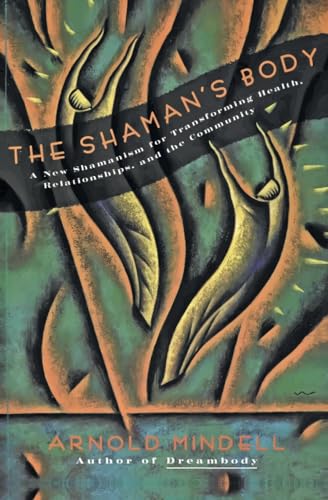
Deep within the wisdom traditions of indigenous cultures lies a profound understanding of the body's intelligence, one that modern society has largely forgotten. This groundbreaking exploration bridges ancient shamanic practices with contemporary body-oriented psychology, offering readers a revolutionary approach to healing that honors both physical symptoms and their deeper spiritual meanings.
At the heart of this work lies a radical proposition: our bodies are not merely biological machines that occasionally break down, but rather wise teachers constantly communicating through sensations, symptoms, and signals. Every ache, pain, tension, and unusual sensation carries valuable information about our psychological state, our spiritual journey, and our path toward wholeness. Rather than viewing physical discomfort as something to be suppressed or eliminated, readers discover how to engage with bodily experiences as meaningful messages deserving attention and respect.
The framework presented here draws from years of clinical experience and cross-cultural research into shamanic healing practices. Indigenous healers have long understood that illness and physical symptoms emerge from disruptions in the flow of life energy, from unresolved emotional conflicts, or from spiritual disconnection. This perspective doesn't reject modern medicine but rather expands it, offering complementary tools for understanding why symptoms appear and what they're attempting to communicate. Readers learn to recognize their bodies as allies in the healing process rather than battlegrounds where symptoms must be conquered.
Read more ▼
Alzheimer's, Aromatherapy, and the Sense of Smell
Jean-Pierre Willem
Alexandra Wenman
Irvin D. Yalom
The quest for happiness often leads to frustration, as many fail to realize that the...

Reaching sixty can evoke complex emotions, blending relief with ongoing ambition. This...

The quest for life's purpose often leads to unsatisfactory answers. This article...

Imagine going through one of the most physically and emotionally demanding experiences...

Romantic love is a complex emotion shaped by historical, cultural, and biological...

Daily actions often conflict with personal beliefs due to past experiences. By utilizing...

Have you ever argued over something that wasn't actually said? From cultural differences...

Therapists often use dream interpretation to delve into patients' emotions, but true...