
Happiness & Success
Achieving Happiness Through Acceptance of Life
The quest for happiness often leads to frustration, as many fail to realize that the...








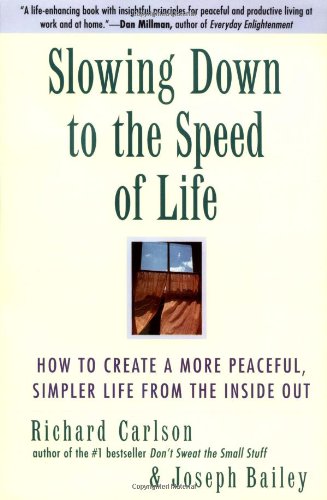
Modern life moves at a relentless pace, bombarding us with stimuli, demands, and endless to-do lists that leave us feeling perpetually rushed, stressed, and disconnected from the present moment. Yet what if the solution to navigating this chaotic world isn't to move faster, manage time more efficiently, or squeeze more productivity from each day? What if the answer lies in fundamentally changing our relationship with time itself and discovering a completely different way of processing our moment-to-moment experience?
At the heart of this transformative work lies a profound yet elegantly simple premise: human beings possess two distinct modes of psychological functioning that dramatically affect how we experience reality. The first mode operates from our analytical, thought-based processing system, constantly analyzing, judging, comparing, and worrying about past and future events. This mode keeps us trapped in mental noise, creating stress and preventing us from accessing our natural wisdom and well-being. The second mode emerges from a quieter, more reflective state of consciousness where insights arise naturally, creativity flows effortlessly, and we respond to life's challenges with clarity and grace.
Readers discover that the quality of their thinking directly determines the quality of their life experience. When operating from a hurried, thought-cluttered mind, even simple situations become sources of stress and frustration. Conversely, when accessing a calmer, more present state of awareness, the same circumstances reveal themselves as manageable or even enjoyable. This isn't about positive thinking or forcing ourselves to see things differently; it's about understanding the mechanics of how our psychological experience is created from the inside out.
Read more ▼
Eknath Easwaran

Thomas Malory

Ellis Jones, Ross Haenfler, Brett Johnson

Nancy Red Star
The quest for happiness often leads to frustration, as many fail to realize that the...

Reaching sixty can evoke complex emotions, blending relief with ongoing ambition. This...

The quest for life's purpose often leads to unsatisfactory answers. This article...

Imagine going through one of the most physically and emotionally demanding experiences...

Romantic love is a complex emotion shaped by historical, cultural, and biological...

Daily actions often conflict with personal beliefs due to past experiences. By utilizing...

Have you ever argued over something that wasn't actually said? From cultural differences...

Therapists often use dream interpretation to delve into patients' emotions, but true...