
Happiness & Success
Achieving Happiness Through Acceptance of Life
The quest for happiness often leads to frustration, as many fail to realize that the...








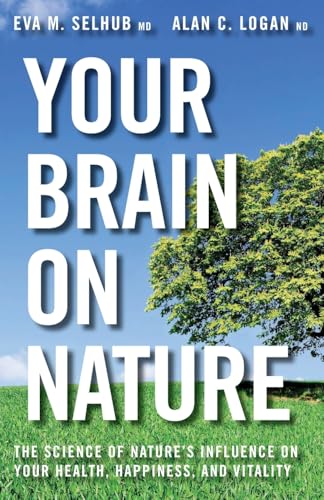
Nature isn't just a pleasant backdrop to our lives—it's a fundamental requirement for optimal brain function, mental health, and overall wellbeing. Drawing on cutting-edge neuroscience research and extensive clinical experience, this groundbreaking work reveals how our disconnection from the natural world is silently undermining our cognitive abilities, emotional stability, and physical health in ways we're only beginning to understand.
Modern life has created an unprecedented separation between humans and nature. We spend over ninety percent of our time indoors, surrounded by artificial lighting, processed air, and digital screens. Our senses are bombarded with synthetic stimuli while being deprived of the natural inputs our brains evolved to process over millions of years. This nature-deficit isn't merely an aesthetic loss—it's triggering measurable changes in brain chemistry, stress hormone levels, immune function, and mental health outcomes.
Through accessible explanations of complex neuroscience, readers discover exactly what happens in the brain when exposed to natural environments. The research is remarkable: simply viewing nature scenes activates the parasympathetic nervous system, reducing cortisol levels and blood pressure. Walking in forests alters brain wave patterns in ways that enhance creativity and problem-solving abilities. Even brief exposures to natural light regulate circadian rhythms that govern sleep quality, mood stability, and metabolic function. The evidence demonstrates that nature isn't a luxury or indulgence—it's essential medicine for the overstimulated, chronically stressed modern mind.
Read more ▼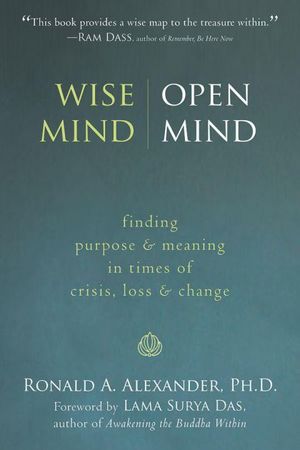
Ronald A. Alexander
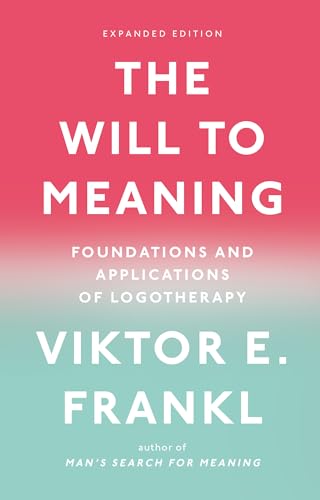
Viktor E. Frankl, Vincent Lenhardt
King, Ruth (Diversity Consultant)

Barbara DePree
The quest for happiness often leads to frustration, as many fail to realize that the...

Reaching sixty can evoke complex emotions, blending relief with ongoing ambition. This...

The quest for life's purpose often leads to unsatisfactory answers. This article...

Romantic love is a complex emotion shaped by historical, cultural, and biological...

Imagine going through one of the most physically and emotionally demanding experiences...

Daily actions often conflict with personal beliefs due to past experiences. By utilizing...

Have you ever argued over something that wasn't actually said? From cultural differences...

Therapists often use dream interpretation to delve into patients' emotions, but true...