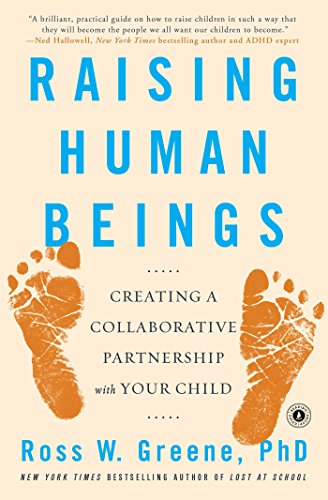

Parenting challenges often stem from a fundamental misunderstanding about why children struggle with expectations and behavioral norms. Rather than viewing difficult behaviors as willful disobedience or manipulative tactics, a revolutionary approach recognizes that children do well when they can. When they can't meet expectations, it's because they lack the skills needed in that moment, not because they lack motivation or desire to please.
This transformative framework introduces readers to a collaborative problem-solving methodology that fundamentally shifts the parent-child dynamic from one of power struggles and unilateral decision-making to genuine partnership and mutual respect. The approach dismantles the traditional reward-and-punishment model that has dominated parenting culture for generations, revealing how these conventional methods often fail to address the root causes of behavioral challenges while damaging the parent-child relationship in the process.
At the heart of this methodology lies the recognition that parenting difficulties typically arise from unsolved problems and lagging skills rather than from moral failings or character defects. Children who struggle with flexibility, frustration tolerance, problem-solving, or emotional regulation need skill-building support, not more consequences. This perspective represents a paradigm shift that empowers parents to move beyond reactive discipline toward proactive collaboration.
Readers discover a practical three-step process for engaging children in identifying and solving problems together. This structured approach begins with empathetic listening to truly understand the child's perspective and concerns. Rather than immediately imposing adult solutions, parents learn to gather information about what makes specific situations challenging for their child. This foundational step validates the child's experience and builds trust, creating conditions where authentic communication can flourish.
The second component involves sharing adult concerns in a manner that invites dialogue rather than triggering defensiveness. Parents learn communication techniques that express their own needs and perspectives without dismissing or overriding what they've just heard from their child. This balanced approach honors both voices in the relationship, modeling the kind of respectful communication that forms the foundation of healthy relationships throughout life.
The final element brings both perspectives together in collaborative brainstorming toward mutually satisfactory solutions. Rather than compromising where both parties lose something, this process seeks realistic solutions that genuinely address everyone's concerns. Children actively participate in generating ideas and evaluating options, developing critical thinking skills and executive functioning capacities in the process.
What makes this approach particularly empowering for parents is its applicability across ages and situations. Whether addressing morning routine battles with young children, homework resistance with school-age kids, or curfew negotiations with teenagers, the same collaborative framework applies. The methodology respects children's developmental capacities while simultaneously stretching them toward greater capability and independence.
Beyond solving immediate behavioral challenges, this collaborative approach cultivates essential life skills in children. Through repeated practice, young people develop enhanced perspective-taking abilities, improved emotional regulation, stronger communication skills, and more sophisticated problem-solving capacities. These competencies serve them far beyond childhood, preparing them for successful relationships, academic achievement, career navigation, and civic engagement.
For parents themselves, adopting this framework offers profound personal growth opportunities. Many discover how their own upbringing influences their parenting reflexes and find themselves healing old wounds while building new patterns. The approach requires parents to regulate their own emotions, examine their expectations, and develop flexibility alongside their children. This parallel development strengthens the entire family system.
The methodology also addresses the isolation many parents experience when conventional approaches fail. By reframing behavioral challenges as skill deficits rather than willfulness, parents can release shame and self-blame, accessing greater compassion for themselves and their children. This shift opens possibilities for seeking support and building community with other parents navigating similar terrain.
Ultimately, this collaborative approach to raising human beings represents more than a parenting technique. It embodies a philosophy of human dignity, mutual respect, and shared problem-solving that extends naturally into all relationships. Families who embrace this framework often find themselves communicating more authentically, resolving conflicts more constructively, and experiencing greater connection across all their interactions.