
Happiness & Success
Achieving Happiness Through Acceptance of Life
The quest for happiness often leads to frustration, as many fail to realize that the...








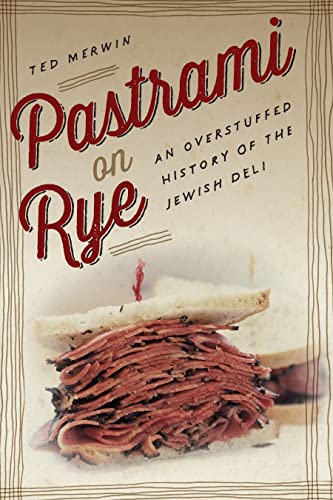
Food has always been more than sustenance. It carries memory, identity, culture, and connection across generations. Within the layered complexity of a single sandwich lies an entire world of immigrant experience, cultural transformation, and the deeply human need to preserve identity while adapting to new environments. This exploration of Jewish delicatessen culture in America reveals how something as seemingly simple as cured meat between bread became a powerful symbol of resilience, entrepreneurship, and community building.
The Jewish deli represents one of the most enduring success stories of immigrant adaptation in American history. From the late nineteenth century through the mid-twentieth century, these establishments became vital community anchors in urban neighborhoods, particularly in New York City. They offered far more than meals—they provided gathering spaces where language, tradition, and mutual support flourished amid the challenges of assimilation. Understanding this history offers profound lessons about maintaining authenticity while embracing change, a balance many seek in their own personal journeys today.
At the heart of this cultural phenomenon lies a fascinating intersection of religious tradition and practical innovation. Kosher dietary laws, which might have seemed restrictive in a new land, instead became the foundation for culinary creativity and business opportunity. The techniques for preserving meat through curing, smoking, and brining—born from both religious requirements and pre-refrigeration necessity—produced distinctive flavors that transcended their original community to become beloved by Americans of all backgrounds. This transformation demonstrates how limitations can spark innovation and how cultural specificity can ultimately achieve universal appeal.
Read more ▼
Baron Baptiste

10 Radiant Ideas (Big Heart Miracles Study Guide, 1)
Karen Anne Bentley

Alejandro Jodorowsky

The Tibetan book of living and dying
Sogyal Rinpoche
The quest for happiness often leads to frustration, as many fail to realize that the...

Reaching sixty can evoke complex emotions, blending relief with ongoing ambition. This...

The quest for life's purpose often leads to unsatisfactory answers. This article...

Imagine going through one of the most physically and emotionally demanding experiences...

Romantic love is a complex emotion shaped by historical, cultural, and biological...

Daily actions often conflict with personal beliefs due to past experiences. By utilizing...

Have you ever argued over something that wasn't actually said? From cultural differences...

Therapists often use dream interpretation to delve into patients' emotions, but true...