Learning to let go of past hurts and grievances may be one of the most powerful gifts you can give yourself. When carrying the weight of old wounds, resentments, and betrayals, your emotional energy becomes depleted, your relationships suffer, and your physical health can deteriorate. The good news is that forgiveness is a skill that can be learned and practiced, not just a lofty ideal reserved for saints and spiritual masters.
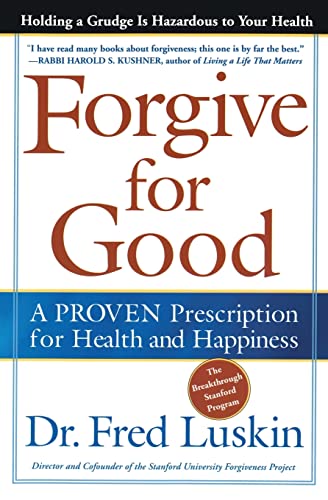
This groundbreaking work presents a scientifically proven method for releasing the grip that past hurts have on your present life. Based on years of research conducted at Stanford University and tested with thousands of participants, the approach outlined here demonstrates that forgiveness is far more than a moral or religious concept—it's a practical tool for improving mental health, reducing stress, and creating greater happiness.
Through a systematic nine-step process, readers discover how to transform their relationship with painful memories and the people who caused them harm. The method doesn't require reconciliation with those who hurt you, nor does it mean condoning harmful behavior or forgetting what happened. Instead, it offers a pathway to personal freedom that puts you back in control of your emotional life.
The foundation of this approach rests on understanding what forgiveness truly is and what it isn't. Many people resist forgiveness because they mistakenly believe it means weakness, excusing bad behavior, or allowing themselves to be hurt again. The framework presented here dismantles these misconceptions and shows how forgiveness primarily benefits the forgiver, not the person being forgiven. When you forgive, you reclaim your power rather than giving it away.
Central to this methodology is the recognition that holding grievances creates ongoing stress in the body and mind. Research findings reveal that rehearsing hurts and injustices triggers the same physiological stress response as the original wound—elevated heart rate, increased blood pressure, and the release of stress hormones. This means that every time you replay an old hurt in your mind, you're essentially re-injuring yourself. Learning specific techniques to interrupt this cycle can dramatically improve both emotional and physical wellbeing.
Readers learn to distinguish between justified anger at genuine injustice and the self-inflicted suffering that comes from creating "grievance stories"—the narratives we tell ourselves about how life should have been different or how others should have behaved differently. While the initial hurt may have been real and painful, the ongoing suffering often stems from these stories we continue to tell ourselves, sometimes for years or even decades.
The practical exercises and techniques provided guide readers through the process of reframing their painful experiences. Rather than seeing themselves as victims of unchangeable past events, individuals learn to view challenges as opportunities for growth and to craft new, more empowering narratives about their lives. This shift in perspective doesn't minimize the reality of what happened but changes the meaning assigned to those events.
Particularly valuable is the focus on developing personal resilience and positive coping strategies. Instead of ruminating on past injuries, readers discover how to redirect their attention toward appreciation, beauty, and the positive aspects of their current lives. Simple practices like taking a "positive emotion refill" or focusing on gratitude can create immediate shifts in mood and outlook.
The application of these principles extends beyond personal relationships to workplace conflicts, family dynamics, and even collective traumas experienced by entire communities. Case studies and real-life examples illustrate how people from diverse backgrounds have used these techniques to heal from betrayals, abuse, loss, and disappointment.
What makes this approach particularly empowering is its emphasis on personal agency. You don't need anyone else's participation, permission, or apology to begin your healing journey. Forgiveness becomes something you do for yourself, a choice you make to stop suffering and start living more fully. This realization alone can be profoundly liberating for those who have felt stuck waiting for others to change or make amends.
By mastering these skills, readers gain not just relief from specific past hurts but a transferable ability to handle future disappointments with greater ease and resilience, creating a foundation for lasting peace and wellbeing.