
Happiness & Success
Achieving Happiness Through Acceptance of Life
The quest for happiness often leads to frustration, as many fail to realize that the...








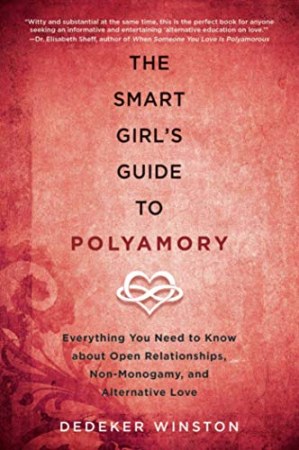
Navigating intimate relationships in the modern world requires courage, self-awareness, and a willingness to question long-held assumptions about love, commitment, and fulfillment. For those exploring consensual non-monogamy or considering whether polyamorous relationships might align with their authentic selves, a comprehensive roadmap can make the difference between transformative growth and unnecessary heartache.
This guide opens the door to understanding polyamory not as a trend or lifestyle choice made in defiance of convention, but as a deliberate practice rooted in honesty, communication, and personal empowerment. Readers will discover practical frameworks for examining their own relationship needs, desires, and boundaries while learning to navigate the complex emotional terrain that emerges when loving multiple people simultaneously. The approach emphasizes emotional intelligence and self-knowledge as foundational elements, recognizing that successful polyamorous relationships begin with a deep understanding of oneself.
What sets this resource apart is its unflinching honesty about both the rewards and challenges of non-monogamous relationships. Rather than presenting polyamory as either a utopian solution to monogamy's limitations or a chaotic free-for-all, it offers a balanced perspective grounded in real-world experience. Readers gain insight into managing jealousy, a universal human emotion that doesn't disappear simply because one intellectually embraces non-monogamy. Through practical techniques and thoughtful guidance, the material demonstrates how jealousy can become a teacher rather than a destroyer, pointing toward unmet needs and opportunities for personal growth.
Read more ▼
Bill Kaysing, Bill Kaysing, Randy Reid

Rebecca Solnit, Emily Beresford, David Muñoz Mateos

Barbara Carrellas
The quest for happiness often leads to frustration, as many fail to realize that the...

Reaching sixty can evoke complex emotions, blending relief with ongoing ambition. This...

The quest for life's purpose often leads to unsatisfactory answers. This article...

Romantic love is a complex emotion shaped by historical, cultural, and biological...

Imagine going through one of the most physically and emotionally demanding experiences...

Daily actions often conflict with personal beliefs due to past experiences. By utilizing...

Have you ever argued over something that wasn't actually said? From cultural differences...

Therapists often use dream interpretation to delve into patients' emotions, but true...