
Happiness & Success
Achieving Happiness Through Acceptance of Life
The quest for happiness often leads to frustration, as many fail to realize that the...








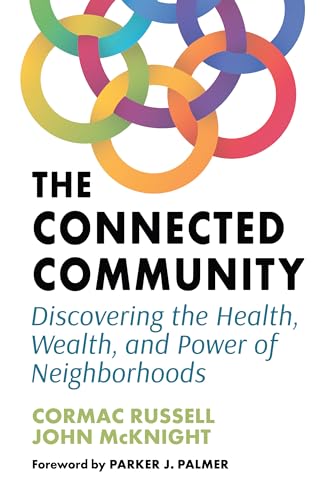
At the heart of every thriving community lies an often-overlooked truth: genuine connection isn't built through programs and services delivered by institutions, but through the simple yet profound relationships between neighbors. This groundbreaking work challenges readers to reimagine how communities function and flourish by shifting focus from what's broken to what's already strong, from deficiencies to gifts, and from professional interventions to the organic power of human connection.
The foundation of this exploration rests on a simple but revolutionary premise: every single person possesses gifts, capacities, and talents that their community needs. Rather than viewing certain individuals as problems to be solved or clients to be served, this approach recognizes that everyone has something valuable to contribute. This fundamental shift in perspective transforms how we see our neighbors, our neighborhoods, and ourselves. When communities organize around abundance rather than scarcity, around competence rather than deficiency, something remarkable happens—people discover their own power to create change.
Readers will discover practical wisdom about building what's called the "connected community," where relationships form the basic infrastructure of collective life. Unlike traditional top-down approaches that rely on external experts and institutional programs, this model demonstrates how neighbors can organize themselves to meet common needs, celebrate shared joys, and support one another through challenges. The emphasis isn't on what professionals can do for communities, but rather on what community members can do with and for each other when they recognize and mobilize their collective assets.
Read more ▼
The Psychic Power of Children (Foulsham Know How)
Cassandra Eason
Adult children of emotionally immature parents
Lindsay C. Gibson, Lindsay C. Gibson PsyD, Marguerite Gavin, Lindsay C Gibson, Gavin Marguerite, Lindsay Gibson

Maxwell Boykoff
Dale Salwak
The quest for happiness often leads to frustration, as many fail to realize that the...

Reaching sixty can evoke complex emotions, blending relief with ongoing ambition. This...

The quest for life's purpose often leads to unsatisfactory answers. This article...

Romantic love is a complex emotion shaped by historical, cultural, and biological...

Imagine going through one of the most physically and emotionally demanding experiences...

Daily actions often conflict with personal beliefs due to past experiences. By utilizing...

Have you ever argued over something that wasn't actually said? From cultural differences...

Therapists often use dream interpretation to delve into patients' emotions, but true...