
Happiness & Success
Achieving Happiness Through Acceptance of Life
The quest for happiness often leads to frustration, as many fail to realize that the...








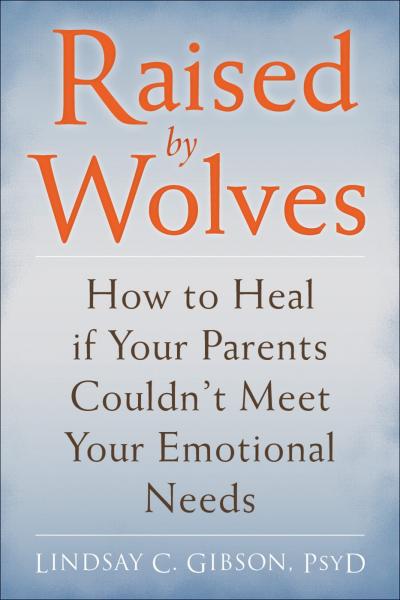
Many adults find themselves struggling with inexplicable feelings of loneliness, emotional disconnection, or inadequacy in their relationships, yet they cannot quite pinpoint the source of these struggles. They may feel responsible for managing other people's emotions, experience difficulty trusting their own feelings, or notice a pattern of choosing partners who seem emotionally unavailable. These patterns often trace back to a childhood spent with parents who, while perhaps providing material needs, were unable to offer genuine emotional attunement and connection.
Emotional immaturity in parents manifests in distinct ways that leave lasting impressions on their children. These parents often become overwhelmed by their own feelings, expect their children to care for their emotional needs, or remain rigidly focused on appearances and practical matters while dismissing the emotional world entirely. Some become defensive when confronted, turning conversations back on their children and refusing to acknowledge their role in creating pain. Others simply remain emotionally absent, going through the motions of parenthood without ever truly seeing their children as separate individuals with valid inner experiences.
Growing up in such an environment creates a unique set of challenges that persist well into adulthood. Children learn early that their emotional needs will not be met, so they develop sophisticated coping mechanisms. They may become hyper-responsible, always scanning the environment to manage everyone else's feelings. They might suppress their own needs entirely, having learned that expressing vulnerability leads to dismissal, criticism, or being burdened with a parent's emotional reaction. Many develop a deep sense that something is fundamentally wrong with them, internalizing the message that their feelings are too much, not important, or inconvenient to others.
Read more ▼
Nanci A. Smith JD

Mary Hayes-Grieco

Shari Arison

Stella Resnick
The quest for happiness often leads to frustration, as many fail to realize that the...

Reaching sixty can evoke complex emotions, blending relief with ongoing ambition. This...

The quest for life's purpose often leads to unsatisfactory answers. This article...

Romantic love is a complex emotion shaped by historical, cultural, and biological...

Imagine going through one of the most physically and emotionally demanding experiences...

Daily actions often conflict with personal beliefs due to past experiences. By utilizing...

Have you ever argued over something that wasn't actually said? From cultural differences...

Therapists often use dream interpretation to delve into patients' emotions, but true...