
Happiness & Success
Achieving Happiness Through Acceptance of Life
The quest for happiness often leads to frustration, as many fail to realize that the...








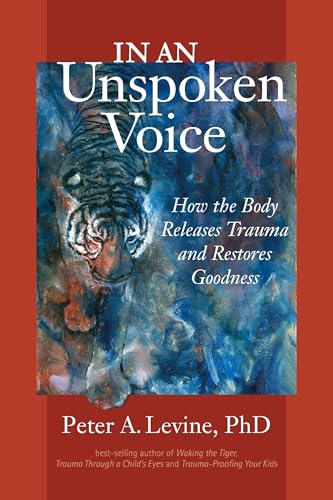
Trauma lives in the body long after the mind has tried to forget. Through groundbreaking insights into the physiological nature of trauma and healing, this transformative work reveals how our nervous systems hold the key to releasing even the most stubborn patterns of suffering and returning to a state of wholeness.
Drawing from decades of clinical practice and research into the neurobiology of stress and trauma, this exploration challenges conventional talk-therapy approaches by demonstrating that true healing must engage the body's innate wisdom. Animals in the wild regularly experience life-threatening situations yet rarely develop trauma symptoms because they possess an instinctual ability to discharge survival energy from their nervous systems. Humans, with our highly developed reasoning minds, often override these natural responses, trapping incomplete survival reactions within our bodies where they continue to wreak havoc long after danger has passed.
The work illuminates how trauma is fundamentally a disorder of the autonomic nervous system rather than simply a psychological event to be processed cognitively. When we experience overwhelming threat, our bodies prepare to fight, flee, or freeze. If these protective responses cannot complete their natural cycle, the enormous mobilization of energy remains bound within the nervous system, creating symptoms ranging from anxiety and depression to chronic pain, digestive issues, and relationship difficulties. This understanding reframes trauma not as a life sentence but as incomplete biological processes waiting to be resolved.
Read more ▼
Finley Eversole, Karl Maret
Joy DeGruy
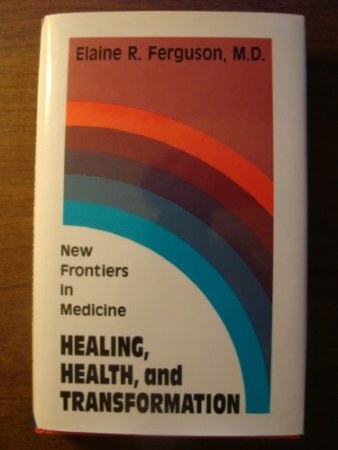
Healing, Health and Transformation
Elaine R. Ferguson
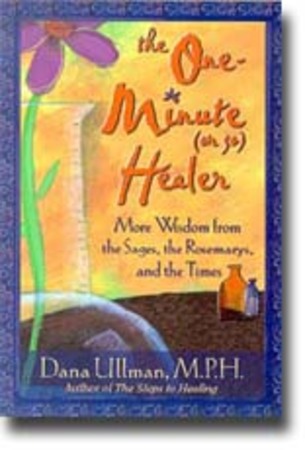
Dana Ullman
The quest for happiness often leads to frustration, as many fail to realize that the...

Reaching sixty can evoke complex emotions, blending relief with ongoing ambition. This...

The quest for life's purpose often leads to unsatisfactory answers. This article...

Romantic love is a complex emotion shaped by historical, cultural, and biological...

Imagine going through one of the most physically and emotionally demanding experiences...

Daily actions often conflict with personal beliefs due to past experiences. By utilizing...

Have you ever argued over something that wasn't actually said? From cultural differences...

Therapists often use dream interpretation to delve into patients' emotions, but true...