

Happiness & Success
Achieving Happiness Through Acceptance of Life
The quest for happiness often leads to frustration, as many fail to realize that the...








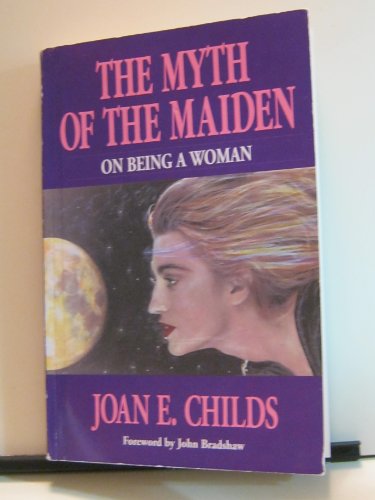
Women have been conditioned for generations to play a particular role in relationships and society, one that prioritizes nurturing others while neglecting their own authentic needs and desires. This conditioning often begins in childhood and manifests as a pattern of self-sacrifice, people-pleasing, and the perpetual pursuit of validation through being "good enough" for others. The resulting psychological construct keeps countless women trapped in cycles of unfulfilling relationships, compromised personal power, and a diminished sense of self-worth.
At the heart of this dynamic lies a powerful archetype that has shaped feminine identity across cultures and centuries. This archetype presents an idealized vision of womanhood characterized by innocence, passivity, waiting to be rescued, and deriving purpose primarily through connection to others, particularly romantic partners. While fairy tales and cultural narratives have romanticized this role, the psychological reality for women who internalize these patterns is far less enchanting. It often results in arrested emotional development, codependency, and an inability to access one's full potential as an autonomous, empowered individual.
Readers embarking on this exploration will discover how this archetypal pattern operates in their own lives, often beneath conscious awareness. The work provides a comprehensive framework for understanding the developmental stages that many women bypass when they remain psychologically identified with this maiden consciousness. Rather than progressing through natural phases of maturation, independence, and self-actualization, women caught in this pattern remain perpetually waiting, accommodating, and defining themselves through external relationships rather than internal values and authentic desires.
Read more ▼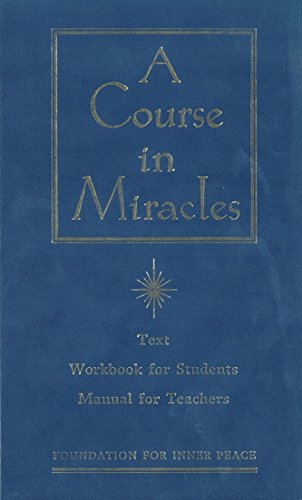
Foundation for Inner Peace
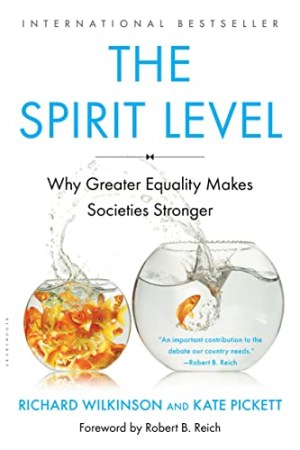
Richard Wilkinson, Kate Pickett
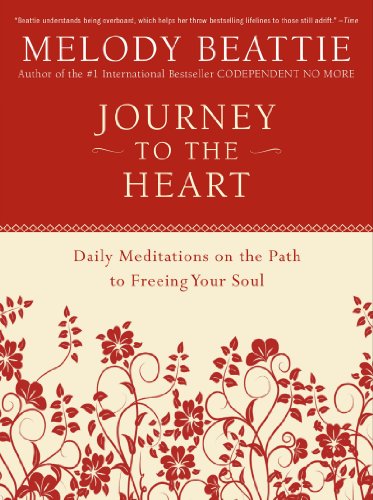
Melody Beattie
The quest for happiness often leads to frustration, as many fail to realize that the...

Reaching sixty can evoke complex emotions, blending relief with ongoing ambition. This...

The quest for life's purpose often leads to unsatisfactory answers. This article...

Imagine going through one of the most physically and emotionally demanding experiences...

Romantic love is a complex emotion shaped by historical, cultural, and biological...

Daily actions often conflict with personal beliefs due to past experiences. By utilizing...

Have you ever argued over something that wasn't actually said? From cultural differences...

Therapists often use dream interpretation to delve into patients' emotions, but true...