
Happiness & Success
Achieving Happiness Through Acceptance of Life
The quest for happiness often leads to frustration, as many fail to realize that the...









Anger stands as one of the most destructive yet universally experienced emotions in human life. It erupts in traffic jams, simmers in family conflicts, and festers in workplace tensions. Left unexamined, this powerful force corrodes relationships, damages health, and prevents the peace and happiness we all seek. Yet what if anger could become a doorway to profound personal transformation rather than a source of endless suffering?
Drawing from centuries of Buddhist wisdom combined with practical Western psychology, this groundbreaking guide offers a comprehensive roadmap for understanding and transforming one of our most challenging emotions. Rather than advocating for suppression or explosive release, readers discover a middle path that acknowledges anger's presence while refusing to let it control our actions and poison our minds.
The exploration begins by examining anger's roots in our minds and hearts. Through accessible explanations, readers learn to recognize the difference between the initial spark of irritation and the stories we construct that fan those sparks into raging fires. This distinction becomes crucial, as it reveals where our power to choose actually lies. By understanding how thoughts, expectations, and attachments fuel angry reactions, we gain the tools to interrupt destructive patterns before they take hold.
Read more ▼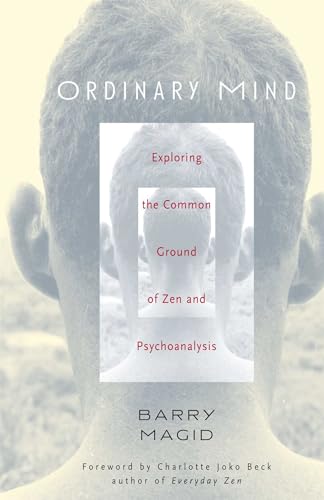
Barry Magid

This isn't exactly what I had in mind, God
Hal Larson

Feel the Fear and Do It Anyway
Susan J. Jeffers
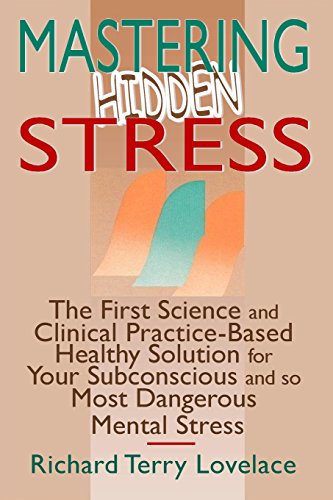
Dr. Richard Terry Lovelace
The quest for happiness often leads to frustration, as many fail to realize that the...

Reaching sixty can evoke complex emotions, blending relief with ongoing ambition. This...

The quest for life's purpose often leads to unsatisfactory answers. This article...

Romantic love is a complex emotion shaped by historical, cultural, and biological...

Imagine going through one of the most physically and emotionally demanding experiences...

Daily actions often conflict with personal beliefs due to past experiences. By utilizing...

Have you ever argued over something that wasn't actually said? From cultural differences...

Therapists often use dream interpretation to delve into patients' emotions, but true...