# Finding Freedom in the Present Moment: A Guide to Zen Practice and Mental Clarity
Discover how the seemingly simple act of being fully present can transform your entire relationship with life, stress, and self-understanding. This exploration of zen practice offers profound insights into why our constant mental struggles often prevent us from experiencing the peace that already exists within us.
Many of us spend our lives caught in an exhausting cycle of self-improvement projects. We believe that if we could just fix ourselves—become more productive, more spiritual, more successful—then we would finally be happy. Yet this very striving often creates the anxiety and dissatisfaction we're trying to escape. What if the path to genuine peace lies not in becoming someone different, but in fully accepting who and what we already are?
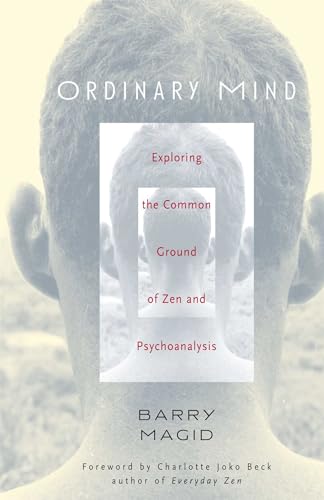
The core teaching here challenges one of our most deeply held assumptions: that we need to transcend our ordinary minds in order to find enlightenment or peace. Instead, this perspective suggests that our ordinary mind—with all its contradictions, desires, fears, and quirks—is already complete and whole. The problem isn't our minds themselves, but our relationship to them. We're constantly judging, rejecting, and trying to improve our mental experience rather than simply observing it with compassionate curiosity.
Throughout these pages, you'll encounter practical guidance for sitting meditation and mindfulness practice that goes beyond the basics. Rather than offering another technique for achieving altered states or special experiences, this approach teaches you to notice what's already happening when you stop fighting against it. Many people approach meditation with the same goal-oriented mindset they bring to everything else in life: trying to achieve some special state or proof of progress. This teaching invites you to release that striving and instead develop a genuine appreciation for the unadorned simplicity of awareness itself.
One of the most valuable aspects of this work involves understanding how our psychological patterns and defense mechanisms actually develop. Rather than treating neuroses or unhelpful habits as problems to be conquered, you'll learn to see them as intelligent adaptations that once served important protective functions. This compassionate understanding often proves more effective for real change than harsh self-criticism ever could. As you develop insight into how your patterns formed, they naturally begin to loosen their grip.
The teaching also addresses the relationship between spiritual practice and psychological work. Many practitioners wonder whether meditation is enough to heal deep emotional wounds or whether additional therapy might be necessary. This exploration honors both paths while offering a framework for understanding how they can complement each other. You'll develop a more nuanced understanding of what meditation can and cannot do, which helps you use it more effectively.
Throughout your engagement with these teachings, you'll encounter stories and examples drawn from Zen practice that illuminate how ordinary, everyday moments contain profound wisdom. A conversation, a meal, a walk—these simple experiences become gateways to deeper understanding when we bring full attention and acceptance to them.
What makes this approach particularly valuable for contemporary readers is its radical simplicity and lack of exotic elements. You don't need to adopt special beliefs, learn Sanskrit terms, or retreat from normal life to benefit from these insights. Instead, you'll find permission and guidance to deepen your engagement with the life you're already living.
By the end of your exploration, you may discover that the peace you've been seeking isn't actually somewhere else or something you need to become. Instead, it's been available all along in your capacity to meet each moment with openness and genuine presence, exactly as it is.