
Happiness & Success
Achieving Happiness Through Acceptance of Life
The quest for happiness often leads to frustration, as many fail to realize that the...








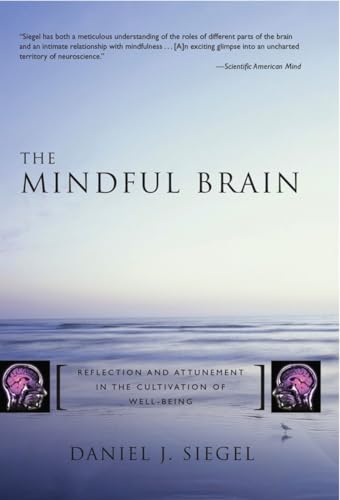
Mindfulness meditation has moved from ancient spiritual practice to mainstream psychological intervention, yet few works bridge these worlds with the rigor and clarity that neuroscience now makes possible. Drawing on cutting-edge brain research and decades of clinical experience, this groundbreaking exploration reveals how the simple act of paying attention can literally reshape the physical structure of our brains and transform our relationships with ourselves and others.
At the heart of this work lies a revolutionary integration of Western neuroscience and Eastern contemplative traditions. Readers discover how mindfulness practices activate specific neural circuits associated with emotional regulation, empathy, and self-awareness. The concept of neuroplasticity takes center stage, demonstrating that our brains remain malleable throughout our lives, capable of forming new connections and pathways in response to focused attention and conscious awareness. This isn't merely theoretical speculation but grounded in reproducible scientific findings that show measurable changes in brain structure among regular meditation practitioners.
The exploration goes beyond simple brain mapping to introduce a comprehensive framework for understanding human consciousness and connection. Central to this understanding is the idea that our minds emerge not just from individual neural activity but from our relationships and interactions with others. This interpersonal neurobiology perspective challenges conventional notions of the self as isolated and separate, instead revealing how we are fundamentally shaped by and connected to those around us. Readers gain insight into how secure attachment, empathic attunement, and mindful presence in relationships actually create the neural integration that supports mental health and wellbeing.
Read more ▼
Carol S. Dweck

Catherine Ponder

Elaine St James

Thích Nhất Hạnh
The quest for happiness often leads to frustration, as many fail to realize that the...

Reaching sixty can evoke complex emotions, blending relief with ongoing ambition. This...

The quest for life's purpose often leads to unsatisfactory answers. This article...

Romantic love is a complex emotion shaped by historical, cultural, and biological...

Imagine going through one of the most physically and emotionally demanding experiences...

Daily actions often conflict with personal beliefs due to past experiences. By utilizing...

Have you ever argued over something that wasn't actually said? From cultural differences...

Therapists often use dream interpretation to delve into patients' emotions, but true...