
Happiness & Success
Achieving Happiness Through Acceptance of Life
The quest for happiness often leads to frustration, as many fail to realize that the...









Anger, jealousy, resentment, and fear—these difficult emotions can hijack our lives, damage our relationships, and rob us of peace and happiness. Yet Buddhist psychology offers profound insights and practical techniques for working with these challenging mental states, transforming them from obstacles into opportunities for growth and awakening.
Drawing from centuries of Buddhist wisdom combined with contemporary psychological understanding, this comprehensive guide provides readers with accessible tools for understanding and transforming the mind. The approach presented here isn't about suppressing emotions or pretending they don't exist. Rather, it offers a middle path between indulging destructive feelings and repressing them—a path of mindful awareness, compassionate self-inquiry, and gradual transformation.
At the heart of this exploration lies the recognition that our suffering stems not from external circumstances alone, but from how we relate to those circumstances. Through examining the Buddhist concept of the "afflictive emotions"—mental states that disturb our peace and propel us toward harmful actions—readers learn to identify the subtle patterns of thought and reaction that keep them trapped in cycles of dissatisfaction and conflict. The presentation illuminates how anger arises, how attachment creates suffering, how pride separates us from others, and how ignorance keeps us bound to these patterns.
Read more ▼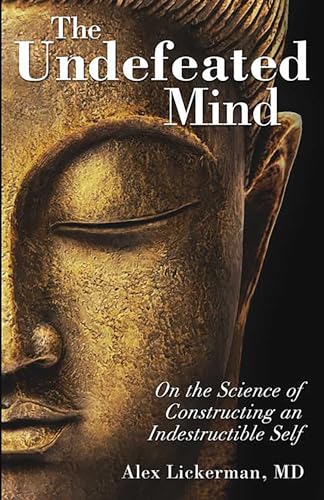
Alex Lickerman

David Bornstein

Erin Sullivan

Dave Grossman, Dave Grossman, Lt Grossman
The quest for happiness often leads to frustration, as many fail to realize that the...

Reaching sixty can evoke complex emotions, blending relief with ongoing ambition. This...

The quest for life's purpose often leads to unsatisfactory answers. This article...

Romantic love is a complex emotion shaped by historical, cultural, and biological...

Imagine going through one of the most physically and emotionally demanding experiences...

Daily actions often conflict with personal beliefs due to past experiences. By utilizing...

Have you ever argued over something that wasn't actually said? From cultural differences...

Therapists often use dream interpretation to delve into patients' emotions, but true...