
Happiness & Success
Achieving Happiness Through Acceptance of Life
The quest for happiness often leads to frustration, as many fail to realize that the...









Behind the white coat and stethoscope exists a profound vulnerability rarely acknowledged in modern medicine. Physicians face emotional challenges that mirror and often exceed those of their patients, yet the culture of medical practice demands a stoic facade that prevents genuine healing—both for doctors and those they serve. This revelatory exploration into the hidden emotional world of healthcare practitioners offers a transformative perspective on the doctor-patient relationship and illuminates a path toward more compassionate, effective medical care.
The medical profession operates under an unspoken rule: emotions are weaknesses to be suppressed, not human experiences to be honored. From the first day of medical school through decades of practice, doctors learn to compartmentalize their feelings, to maintain professional distance, and to project unwavering confidence even when facing uncertainty, grief, and overwhelming stress. This emotional armor, while seemingly protective, creates a barrier that diminishes the healing potential of the medical encounter and leaves physicians isolated, burned out, and struggling with their own unprocessed trauma.
Through deeply personal narratives and clinical insights, readers discover how the suppression of authentic emotion damages not only physicians themselves but the entire healthcare system. When doctors cannot acknowledge their own pain, fear, and uncertainty, they become less capable of recognizing and responding to these same emotions in their patients. The result is a medical culture that treats bodies while neglecting souls, that prescribes medications while missing opportunities for genuine connection, and that measures success in terms of technical outcomes while ignoring the profound human dimensions of illness and healing.
Read more ▼
Iris Chang, Anna Fields
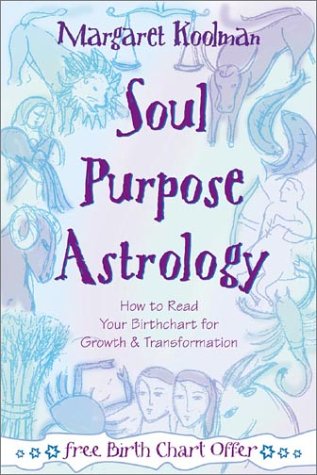
Margaret Koolman

Brigitte Mars

Aromatherapy for the Healthy Child
Valerie Ann Worwood
The quest for happiness often leads to frustration, as many fail to realize that the...

Reaching sixty can evoke complex emotions, blending relief with ongoing ambition. This...

The quest for life's purpose often leads to unsatisfactory answers. This article...

Romantic love is a complex emotion shaped by historical, cultural, and biological...

Imagine going through one of the most physically and emotionally demanding experiences...

Have you ever argued over something that wasn't actually said? From cultural differences...

Daily actions often conflict with personal beliefs due to past experiences. By utilizing...

Therapists often use dream interpretation to delve into patients' emotions, but true...