

Happiness & Success
Achieving Happiness Through Acceptance of Life
The quest for happiness often leads to frustration, as many fail to realize that the...









Forgiveness stands as one of the most powerful yet challenging gifts we can offer ourselves and others. When wounds run deep—whether from betrayal, abandonment, abuse, or accumulated disappointments—the path toward letting go can seem impossible to navigate. Yet holding onto resentment, anger, and hurt creates invisible chains that bind us to past pain, preventing us from experiencing the freedom, joy, and authentic connections we deserve in our relationships and within ourselves.
This comprehensive guide offers a transformative approach to one of life's most difficult emotional and spiritual challenges. Rather than presenting forgiveness as a simple act of willpower or a passive acceptance of wrongdoing, it introduces readers to a structured, practical methodology that honors the complexity of human emotion while providing clear steps toward genuine healing and release.
At the heart of this work lies a revolutionary understanding: forgiveness is not about condoning harmful behavior, forgetting what happened, or reconciling with those who hurt us. Instead, it represents a profound act of self-liberation—a conscious choice to release the toxic burden of bitterness that depletes our energy, clouds our judgment, and poisons our present-day relationships. Through this lens, forgiveness becomes less about the person who caused harm and more about reclaiming personal power and emotional wellbeing.
Read more ▼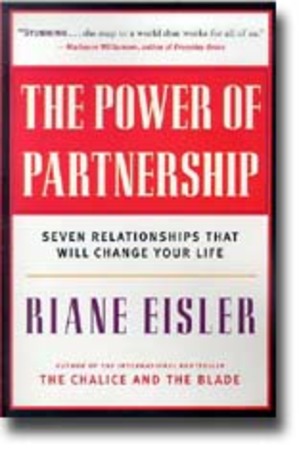
Riane Tennenhaus Eisler

Joyce Vissell, Barry Vissell

Interdimensional communication
Heather Anne Harder
The quest for happiness often leads to frustration, as many fail to realize that the...

Reaching sixty can evoke complex emotions, blending relief with ongoing ambition. This...

The quest for life's purpose often leads to unsatisfactory answers. This article...

Romantic love is a complex emotion shaped by historical, cultural, and biological...

Imagine going through one of the most physically and emotionally demanding experiences...

Daily actions often conflict with personal beliefs due to past experiences. By utilizing...

Have you ever argued over something that wasn't actually said? From cultural differences...

Therapists often use dream interpretation to delve into patients' emotions, but true...