

Happiness & Success
Achieving Happiness Through Acceptance of Life
The quest for happiness often leads to frustration, as many fail to realize that the...









Imagine finding yourself locked in a room with two strangers for all eternity. There is no escape, no sleep, no distraction from the penetrating gaze of those who share your confinement. This existential scenario serves as a profound meditation on personal responsibility, self-deception, and the ways we construct our identities through the eyes of others.
At its core, this philosophical drama explores how we become prisoners of our own making, trapped not by external circumstances but by our refusal to take authentic ownership of our choices and actions. Three characters find themselves confined together in a drawing room, slowly realizing that their afterlife punishment consists not of physical torture but of eternal coexistence with each other. Through their interactions, a devastating truth emerges: we often need others to validate our self-image, yet those same others can become mirrors reflecting truths we desperately wish to avoid.
The psychological dynamics that unfold offer readers a masterclass in understanding how we evade personal responsibility. Each character arrives with carefully constructed narratives about who they are and why they made certain choices. As their stories unravel under mutual scrutiny, patterns of bad faith and self-justification become impossible to maintain. They cannot look away from each other, cannot retreat into comfortable illusions, cannot escape the judgment they simultaneously fear and require.
Read more ▼
Suzy Lee

Michael E. Mann
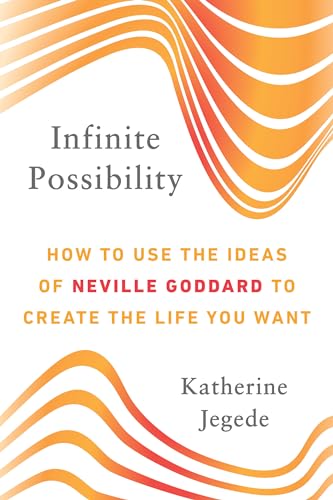
Katherine Jegede
The quest for happiness often leads to frustration, as many fail to realize that the...

Reaching sixty can evoke complex emotions, blending relief with ongoing ambition. This...

The quest for life's purpose often leads to unsatisfactory answers. This article...

Romantic love is a complex emotion shaped by historical, cultural, and biological...

Imagine going through one of the most physically and emotionally demanding experiences...

Daily actions often conflict with personal beliefs due to past experiences. By utilizing...

Have you ever argued over something that wasn't actually said? From cultural differences...

Therapists often use dream interpretation to delve into patients' emotions, but true...