
Happiness & Success
Achieving Happiness Through Acceptance of Life
The quest for happiness often leads to frustration, as many fail to realize that the...








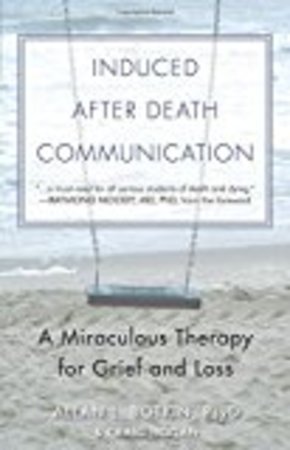
Grief can be one of the most overwhelming and isolating experiences of human life. When we lose someone we love, the pain can feel unbearable, leaving us searching desperately for healing, closure, and connection. What if there were a therapeutic approach that could help bridge the gap between the living and those who have passed on, facilitating profound healing conversations that transform grief into peace?
This groundbreaking work introduces readers to a revolutionary therapeutic technique that has brought comfort and healing to countless individuals struggling with loss. At its core is a facilitated process that enables bereaved individuals to experience direct, meaningful communication with deceased loved ones in a safe, therapeutic setting. Unlike traditional grief counseling that focuses solely on acceptance and moving forward, this approach acknowledges and validates the deep human need for continued connection, providing a path toward reconciliation and understanding that transcends the boundaries of physical death.
The therapeutic protocol detailed within these pages emerged from careful clinical research and development, building upon decades of understanding about consciousness, grief psychology, and the human capacity for transcendent experiences. Trained therapists guide grieving individuals through a structured process that creates optimal conditions for what can only be described as extraordinary encounters. These aren't fleeting impressions or wishful thinking, but vivid, detailed interactions that participants describe as genuinely communicating with their departed loved ones.
Read more ▼
Wolf-Dieter Storl
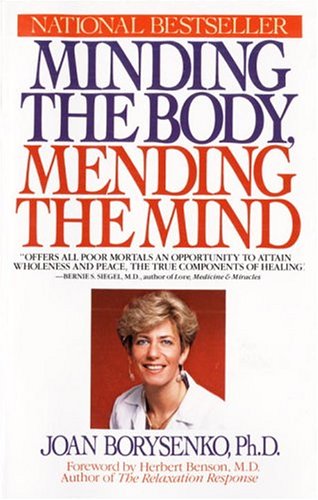
Minding the body, mending the mind
Joan Borysenko

Ann Louise Gittleman

Thomas Stephen Szasz, Thomas S. Szasz, Thomas Szasz, Thomas Stephen Szasz, Szasz, Thomas, S.; Thomas S. Szasz
The quest for happiness often leads to frustration, as many fail to realize that the...

Reaching sixty can evoke complex emotions, blending relief with ongoing ambition. This...

The quest for life's purpose often leads to unsatisfactory answers. This article...

Imagine going through one of the most physically and emotionally demanding experiences...

Romantic love is a complex emotion shaped by historical, cultural, and biological...

Daily actions often conflict with personal beliefs due to past experiences. By utilizing...

Have you ever argued over something that wasn't actually said? From cultural differences...

Therapists often use dream interpretation to delve into patients' emotions, but true...