
Happiness & Success
Achieving Happiness Through Acceptance of Life
The quest for happiness often leads to frustration, as many fail to realize that the...








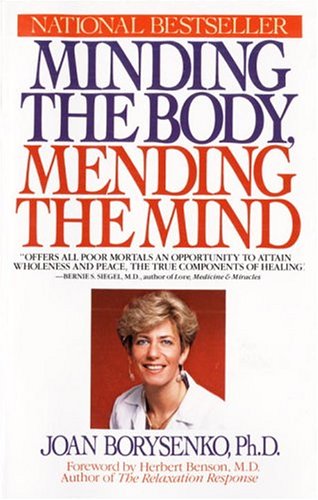
At the intersection of ancient wisdom and modern medical science lies a profound understanding: the intimate connection between our mental states and physical health is not merely philosophical speculation but biological reality. This groundbreaking work emerged from clinical research at one of Harvard Medical School's teaching hospitals, where patients suffering from chronic illness, pain, and stress-related disorders discovered something remarkable. By learning to harness the power of their own minds, they could influence their bodies' capacity to heal, recover, and thrive.
The foundation of this approach rests on the physiological reality of the stress response and its opposite, the relaxation response. When we experience chronic stress, anxiety, or negative thought patterns, our bodies remain locked in a state of heightened alertness that was designed for short-term survival, not long-term living. This constant activation wreaks havoc on every system in the body, from cardiovascular function to immune response, from digestive health to hormonal balance. Understanding this mind-body connection isn't abstract theory but practical knowledge that empowers us to take an active role in our own healing.
Central to this transformative approach is the practice of meditation and relaxation techniques that anyone can learn, regardless of religious background or prior experience. These aren't esoteric practices reserved for monks on mountaintops but accessible tools that fit into the busiest modern lifestyle. Through guided instruction, readers discover how to elicit the relaxation response, that powerful physiological state that counteracts stress and allows the body's natural healing mechanisms to function optimally. Even ten or twenty minutes of daily practice can produce measurable changes in blood pressure, heart rate, muscle tension, and stress hormone levels.
Read more ▼
Brenda Crawford-Clark
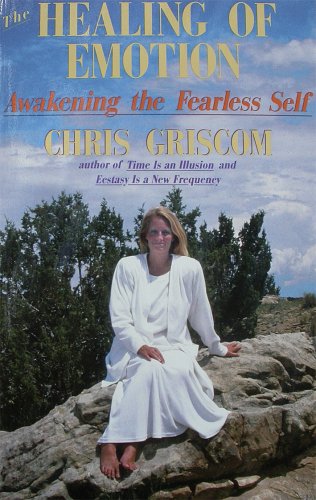
Chris Griscom

Joy DeGruy
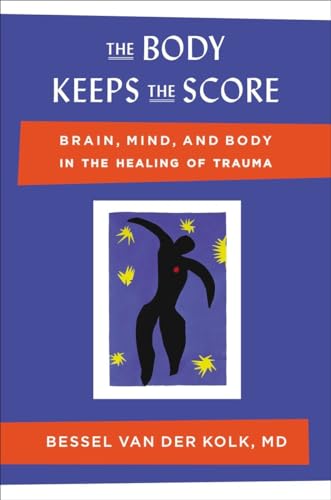
Bessel van der Kolk
The quest for happiness often leads to frustration, as many fail to realize that the...

Reaching sixty can evoke complex emotions, blending relief with ongoing ambition. This...

The quest for life's purpose often leads to unsatisfactory answers. This article...

Romantic love is a complex emotion shaped by historical, cultural, and biological...

Imagine going through one of the most physically and emotionally demanding experiences...

Have you ever argued over something that wasn't actually said? From cultural differences...

Daily actions often conflict with personal beliefs due to past experiences. By utilizing...

Therapists often use dream interpretation to delve into patients' emotions, but true...