

Happiness & Success
Achieving Happiness Through Acceptance of Life
The quest for happiness often leads to frustration, as many fail to realize that the...









Dreams have long been considered mysterious messengers from our subconscious, yet most people dismiss them as random neural firings or forget them entirely upon waking. What if there were a systematic way to harness the profound wisdom embedded in our nightly visions? What if we could learn to decode the symbolic language of dreams and use these insights to navigate our waking lives with greater clarity, creativity, and purpose?
At the intersection of neuroscience, psychology, and spiritual wisdom lies a comprehensive approach to dream interpretation that bridges both the analytical left hemisphere and the intuitive right hemisphere of the brain. This integrated methodology reveals how dreams serve as powerful tools for personal transformation, problem-solving, and accessing deeper layers of consciousness that remain hidden during our waking hours.
Readers will discover a practical framework for understanding dreams that honors both their symbolic, metaphorical nature and their connection to our daily experiences, emotions, and unresolved psychological patterns. Rather than relying on generic dream dictionaries that assign fixed meanings to symbols, this approach teaches how to become fluent in the unique symbolic language of your own psyche. A snake in one person's dream may carry an entirely different message than a snake in another's, depending on personal associations, cultural background, and life circumstances.
Read more ▼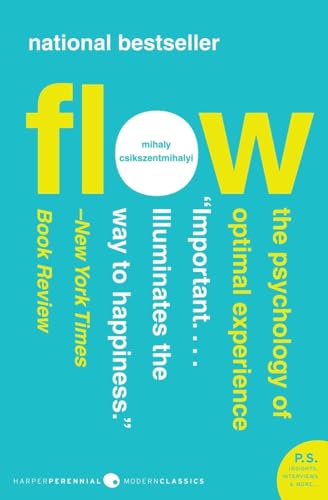
Mihaly Csikszentmihalyi

Ajayan Borys

Patricia Kaminski
The quest for happiness often leads to frustration, as many fail to realize that the...

Reaching sixty can evoke complex emotions, blending relief with ongoing ambition. This...

The quest for life's purpose often leads to unsatisfactory answers. This article...

Romantic love is a complex emotion shaped by historical, cultural, and biological...

Imagine going through one of the most physically and emotionally demanding experiences...

Daily actions often conflict with personal beliefs due to past experiences. By utilizing...

Have you ever argued over something that wasn't actually said? From cultural differences...

Therapists often use dream interpretation to delve into patients' emotions, but true...