
Happiness & Success
Achieving Happiness Through Acceptance of Life
The quest for happiness often leads to frustration, as many fail to realize that the...









Understanding how we interpret the past shapes everything about how we navigate the present and prepare for the future. This insightful exploration examines how societies collectively remember economic crises and why those memories matter profoundly for personal wellbeing, collective decision-making, and social consciousness. By examining two of the most significant economic catastrophes of modern times—the Great Depression of the 1930s and the Great Recession that began in 2008—readers gain powerful tools for recognizing patterns in human behavior, understanding institutional responses to trauma, and developing greater awareness of how historical narratives influence contemporary choices.
At its core, this work addresses a fundamental question relevant to anyone seeking personal growth and social awareness: How do our collective memories of past trauma shape our present actions, and are we interpreting those memories accurately? The exploration reveals that societies, much like individuals, carry forward narratives about traumatic events that profoundly influence future behavior. Just as personal transformation requires honest examination of one's past, societal evolution demands rigorous assessment of historical interpretation.
Readers discover that the ways policymakers, economists, and citizens understood the Great Depression directly influenced responses to the Great Recession decades later. This creates a mirror effect where one crisis reflects onto another, sometimes with clarity and sometimes with dangerous distortion. The analysis demonstrates how certain lessons were learned well, preventing catastrophic mistakes from being repeated, while other lessons were misunderstood or selectively applied, leading to new problems. This dynamic offers profound insights into human psychology, particularly regarding how trauma memory functions at both individual and collective levels.
Read more ▼
Viktor E. Frankl, Vincent Lenhardt

Marcia Emery

Johann Christoph Arnold
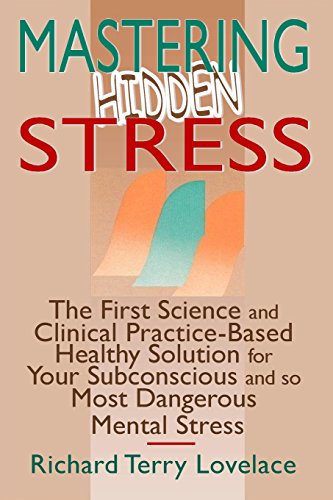
Dr. Richard Terry Lovelace
The quest for happiness often leads to frustration, as many fail to realize that the...

Reaching sixty can evoke complex emotions, blending relief with ongoing ambition. This...

The quest for life's purpose often leads to unsatisfactory answers. This article...

Romantic love is a complex emotion shaped by historical, cultural, and biological...

Imagine going through one of the most physically and emotionally demanding experiences...

Daily actions often conflict with personal beliefs due to past experiences. By utilizing...

Have you ever argued over something that wasn't actually said? From cultural differences...

Therapists often use dream interpretation to delve into patients' emotions, but true...