
Every person possesses traits they wish they didn't have—qualities they've spent years hiding, denying, or trying to eliminate. These disowned aspects of ourselves, the parts we've labeled as "bad" or "unacceptable," don't simply disappear when we refuse to acknowledge them. Instead, they accumulate power in the shadows of our psyche, sabotaging our relationships, careers, and personal happiness in ways we rarely recognize.
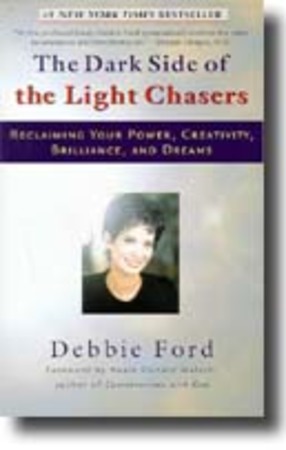
This groundbreaking work introduces readers to the transformative concept of the shadow self, drawing upon Jungian psychology to reveal how our rejected qualities hold the key to profound personal freedom. Rather than continuing the exhausting battle against our perceived flaws, readers discover a revolutionary approach: embracing these hidden aspects as gateways to wholeness and authentic self-expression.
The journey begins with a startling revelation—every quality we criticize in others exists within ourselves. That judgmental coworker, the selfish family member, the arrogant neighbor—each person who triggers our emotional reactions serves as a mirror reflecting our own disowned characteristics. This phenomenon, known as projection, keeps us trapped in patterns of blame and victimhood while preventing us from accessing the full spectrum of our human experience.
Through practical exercises and thought-provoking reflections, readers learn to identify their shadow aspects systematically. These disowned qualities often include not only traits typically considered negative, such as anger, greed, or laziness, but also positive attributes like confidence, creativity, or assertiveness. Many people discover they've been rejecting their own brilliance and power just as vigorously as their perceived weaknesses.
The process of shadow integration offers nothing less than a complete paradigm shift in self-perception. Instead of viewing life as a constant struggle to become someone different, readers gain tools to accept and embrace their full humanity. Each rejected quality, when acknowledged and integrated, transforms from a liability into an asset. Anger becomes healthy boundary-setting. Selfishness evolves into necessary self-care. Arrogance transmutes into deserved confidence.
Real-life stories throughout illustrate how shadow work catalyzes dramatic life changes. Relationships improve when we stop demanding that others reflect only our idealized self-image. Career obstacles dissolve when we reclaim qualities essential for success that we'd previously deemed unacceptable. Creative blocks release when we welcome the full range of human emotion into our expressive palette.
The methodology presents a structured approach to this deeply personal work. Readers identify their emotional triggers, trace these reactions back to childhood conditioning, and discover the survival strategies that led them to reject certain aspects of themselves. This archaeological expedition into personal history reveals how family messages, cultural conditioning, and painful experiences shaped which qualities received exile to the shadow realm.
Perhaps most powerfully, the material addresses how our shadow aspects unconsciously drive major life decisions. Career choices, relationship patterns, and self-sabotaging behaviors all originate from these hidden aspects seeking expression. By bringing awareness to these unconscious motivations, readers gain genuine choice over their life direction rather than remaining puppets to hidden forces.
The work also explores the collective shadow—how groups, communities, and entire cultures project their disowned qualities onto others, creating societal division and conflict. Understanding this dynamic provides insight into prejudice, discrimination, and social tensions while offering a path toward greater compassion and unity.
The ultimate promise extends beyond mere psychological adjustment. By reclaiming shadow aspects, readers access previously unavailable energy, creativity, and personal power. They discover that wholeness doesn't mean perfection—it means embracing the full spectrum of human experience without judgment. This radical self-acceptance liberates enormous energy previously spent on maintaining false personas and fighting internal battles.
For anyone feeling stuck despite years of positive thinking, trapped in repetitive relationship dynamics, or exhausted from trying to eliminate certain qualities, this approach offers genuine hope. The path forward doesn't require becoming someone different but rather accepting and integrating who you already are. This counterintuitive journey into darkness paradoxically leads to the greatest light—the illumination of complete self-knowledge and authentic self-expression.