
Happiness & Success
Achieving Happiness Through Acceptance of Life
The quest for happiness often leads to frustration, as many fail to realize that the...








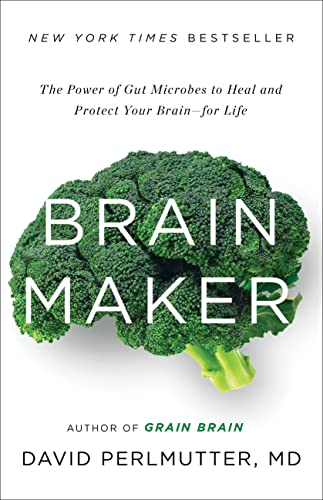
Revolutionary discoveries in neuroscience and gastroenterology have unveiled a startling truth: the health of your brain is intimately connected to the trillions of microorganisms living in your digestive system. This groundbreaking exploration into the gut-brain connection reveals how the bacteria residing in your intestines directly influence your mental health, emotional wellbeing, cognitive function, and susceptibility to neurological conditions ranging from depression and anxiety to Alzheimer's disease and autism.
The human microbiome, that complex ecosystem of bacteria dwelling primarily in the gut, has emerged as one of the most significant factors in determining overall brain health. Far from being merely a digestive aid, these microscopic organisms produce neurotransmitters, regulate inflammation, control the integrity of the blood-brain barrier, and even influence gene expression in ways that profoundly impact neurological function. The implications are staggering: what you eat doesn't just affect your waistline or energy levels—it fundamentally shapes your brain's structure, chemistry, and performance.
Readers will discover how modern lifestyle factors have systematically damaged the delicate balance of gut bacteria that humans relied upon for millennia. The widespread use of antibiotics, consumption of processed foods laden with sugar and artificial ingredients, exposure to environmental toxins, chronic stress, and the standard Western diet have all contributed to an epidemic of gut dysbiosis—an imbalance that manifests not just in digestive complaints but in the rising rates of depression, ADHD, dementia, and other brain-related conditions plaguing contemporary society.
Read more ▼
The Art of Happiness in a Troubled World
His Holiness Tenzin Gyatso the XIV Dalai Lama, Howard C. Cutler

Alexa Ingram
Ronald A. Alexander

Barbara Kingsolver
The quest for happiness often leads to frustration, as many fail to realize that the...

Reaching sixty can evoke complex emotions, blending relief with ongoing ambition. This...

The quest for life's purpose often leads to unsatisfactory answers. This article...

Romantic love is a complex emotion shaped by historical, cultural, and biological...

Imagine going through one of the most physically and emotionally demanding experiences...

Daily actions often conflict with personal beliefs due to past experiences. By utilizing...

Have you ever argued over something that wasn't actually said? From cultural differences...

Therapists often use dream interpretation to delve into patients' emotions, but true...