
Happiness & Success
Achieving Happiness Through Acceptance of Life
The quest for happiness often leads to frustration, as many fail to realize that the...








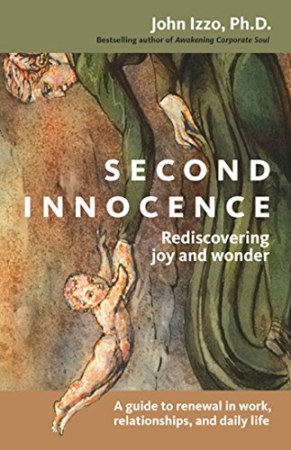
As we journey through life, many of us find ourselves gradually losing touch with the spontaneous joy and sense of wonder that came so naturally in childhood. The daily grind, accumulated disappointments, and layers of cynicism can slowly erode our capacity to be fully present and alive to the beauty around us. Yet there exists a path back to that original state of openness and delight—not by returning to childish naivety, but by consciously choosing to reclaim what has been lost while maintaining the wisdom gained through experience.
This transformative work explores the concept of rediscovering what can be called our "second innocence"—a mature form of wonder that integrates life experience with a renewed capacity for joy, curiosity, and authentic engagement with the world. Unlike the unconscious innocence of childhood, this second innocence is a deliberate choice to shed the protective layers of jadedness and fear that accumulate over time, allowing us to experience life with fresh eyes while retaining the discernment and understanding that come with age.
Drawing from extensive research, interviews with individuals who have successfully made this transformation, and deep reflection on universal human experiences, the exploration reveals how people from all walks of life have rediscovered their capacity for wonder. These aren't stories of denial or escapism, but rather accounts of individuals who have faced life's challenges honestly while refusing to let hardship close their hearts. They demonstrate that it's possible to acknowledge life's difficulties without becoming hardened by them.
Read more ▼
Peter Miller

Leaving Faith, Finding Meaning
Lynne Renoir, Damian Keenan
Peter Russell

Viktor E. Frankl
The quest for happiness often leads to frustration, as many fail to realize that the...

Reaching sixty can evoke complex emotions, blending relief with ongoing ambition. This...

The quest for life's purpose often leads to unsatisfactory answers. This article...

Romantic love is a complex emotion shaped by historical, cultural, and biological...

Imagine going through one of the most physically and emotionally demanding experiences...

Daily actions often conflict with personal beliefs due to past experiences. By utilizing...

Have you ever argued over something that wasn't actually said? From cultural differences...

Therapists often use dream interpretation to delve into patients' emotions, but true...