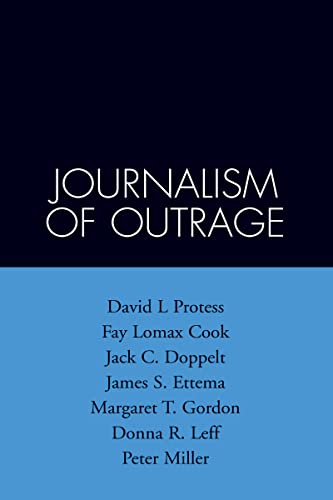
The modern landscape of media and communication reveals a troubling pattern that shapes how we understand ourselves, our society, and each other. Exploring the intersection of journalism, emotion, and social consciousness, this examination delves into how news reporting has evolved to prioritize emotional engagement over substantive information, and what this means for our collective well-being and personal growth.
Our relationship with information has fundamentally transformed. The rise of sensationalism in media has created a feedback loop where outrage becomes the primary currency of attention. When we examine our daily exposure to news, we notice how stories are increasingly framed to trigger emotional reactions, particularly anger and fear. This phenomenon isn't accidental; it reflects conscious choices made by media organizations about what gets covered and how it gets presented. Understanding these mechanisms becomes essential for anyone seeking to develop genuine self-awareness and navigate modern life with intention.
The cultivation of outrage serves specific functions within media ecosystems. Stories are selected, emphasized, and presented in ways designed to elicit visceral reactions. While genuine injustices exist and deserve attention, the question becomes whether constant exposure to rage-inducing narratives serves our personal growth or undermines it. When we're perpetually activated by anger, our nervous systems remain in states of heightened stress. This physiological reality has direct implications for our mental health, emotional resilience, and capacity for clear thinking.
Readers will discover how the psychology of outrage affects personal development and self-understanding. Each time we engage with deliberately inflammatory content, we're participating in a system that trains our brains to seek out threat and injustice. Over time, this rewires our neural pathways, making us more reactive, more suspicious, and less capable of nuanced thinking. The implications extend beyond individual psychology into how we relate to one another in communities and how we envision social change.
The examination of journalistic practices reveals important truths about media literacy and critical consciousness. Developing the ability to recognize when emotional manipulation is occurring represents a genuine form of empowerment. It enables readers to distinguish between authentic social concerns and manufactured outrage designed primarily to capture eyeballs and advertising revenue. This discernment becomes increasingly vital as our information landscape grows more complex and competitive.
Furthermore, understanding these dynamics illuminates how outrage culture impacts our capacity for spiritual growth and deeper self-reflection. Many spiritual and psychological traditions emphasize the importance of equanimity, perspective, and freedom from reactive patterns. Yet our media environment actively works against these qualities. Recognizing this tension opens pathways to more intentional choices about what we consume and how we engage with information.
The exploration also addresses what gets lost when outrage dominates. Nuanced analysis, systemic thinking, and constructive dialogue about complex issues tend to disappear in environments optimized for emotional intensity. Many readers will recognize how their own capacity for sophisticated thinking diminishes after prolonged exposure to sensationalized content. Reclaiming this cognitive capacity represents a significant step toward personal and social consciousness.
Perhaps most importantly, this examination empowers readers to make different choices. By understanding how outrage mechanisms operate, we gain agency. We can choose media sources that prioritize accuracy and context. We can notice our own emotional reactions and question whether they're serving our growth. We can cultivate skepticism about narratives designed primarily to manipulate.
For those committed to personal transformation and social consciousness, this exploration provides essential context for understanding the contemporary world. It bridges the gap between individual psychology and collective media culture, showing how personal well-being connects directly to the information ecosystem we inhabit. This awareness itself becomes transformative, enabling readers to move toward greater wisdom, authenticity, and genuine understanding of themselves and society.