
Happiness & Success
Achieving Happiness Through Acceptance of Life
The quest for happiness often leads to frustration, as many fail to realize that the...








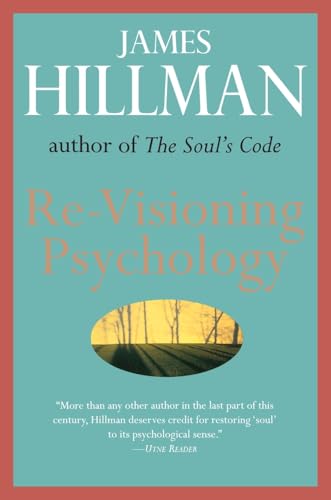
Psychology itself needs therapy. This revolutionary work challenges readers to fundamentally reconsider how we understand the human psyche, mental health, and the very practice of psychology. Rather than viewing psychological experience through the narrow lens of medical pathology or behavioral adjustment, this groundbreaking exploration invites us into a radically different relationship with our inner lives—one rooted in imagination, myth, and soul.
At the heart of this transformative vision lies a call to re-imagine psychology as an activity of soul-making rather than problem-solving. Traditional psychology, with its emphasis on diagnosis, treatment, and cure, has unwittingly reduced the rich complexity of human experience to symptoms requiring elimination. Instead, readers discover an approach that honors psychological phenomena—including our struggles, fantasies, and even pathologies—as meaningful expressions of psyche seeking recognition and understanding. Dreams, emotions, and symptoms are reframed not as disorders to fix but as communications from depths within us that deserve attention and respect.
The work introduces readers to an archetypal approach to understanding human experience. Drawing on ancient mythology and classical polytheistic imagination, it demonstrates how different gods and goddesses represent fundamental patterns in human psychology. When we experience jealousy, we might be in the realm of Hera; in moments of warfare and conflict, Mars speaks; creative inspiration connects us to Apollo or Dionysus. This polytheistic psychology acknowledges the multiplicity within each person, rejecting the notion that we should achieve a singular, unified self. Instead, psychological health emerges through recognizing and honoring the many voices, perspectives, and energies that animate our inner lives.
Read more ▼
Stand like mountain, flow like water
Brian Luke Seaward

Ernest Holmes

52 things you can do to raise your self-esteem
Jerry Minchinton

Kehoe, John
The quest for happiness often leads to frustration, as many fail to realize that the...

Reaching sixty can evoke complex emotions, blending relief with ongoing ambition. This...

The quest for life's purpose often leads to unsatisfactory answers. This article...

Romantic love is a complex emotion shaped by historical, cultural, and biological...

Imagine going through one of the most physically and emotionally demanding experiences...

Have you ever argued over something that wasn't actually said? From cultural differences...

Daily actions often conflict with personal beliefs due to past experiences. By utilizing...

Therapists often use dream interpretation to delve into patients' emotions, but true...