
Happiness & Success
Achieving Happiness Through Acceptance of Life
The quest for happiness often leads to frustration, as many fail to realize that the...








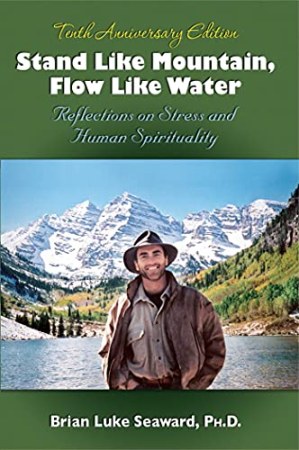
Drawing wisdom from ancient Taoist philosophy and blending it seamlessly with contemporary stress management principles, this transformative guide offers readers a profound pathway to finding balance in an increasingly chaotic world. The central metaphor speaks to two complementary aspects of human existence: the strength and stability we need to weather life's storms, and the adaptability and grace required to move through challenges without breaking.
Modern life bombards us with unprecedented levels of stress, complexity, and constant change. The pressure to perform, achieve, and maintain equilibrium in both personal and professional spheres can leave even the most resilient individuals feeling overwhelmed and depleted. What makes this work particularly valuable is its recognition that traditional approaches to stress management often fail because they address symptoms rather than cultivating a fundamental shift in how we relate to life's inevitable turbulence.
At the heart of this philosophy lies the understanding that true resilience comes not from rigidity but from developing both groundedness and flexibility. Like a mountain, we must establish an unshakeable core of values, self-awareness, and inner peace. This solid foundation provides the stability necessary to remain centered when external circumstances threaten to sweep us away. Yet simultaneously, like water, we must learn to adapt, flow around obstacles, and move forward without becoming stuck in resistance or denial.
Read more ▼
David Perlmutter
10 Steps to Take Charge of Your Emotional Life
Eve A. Wood
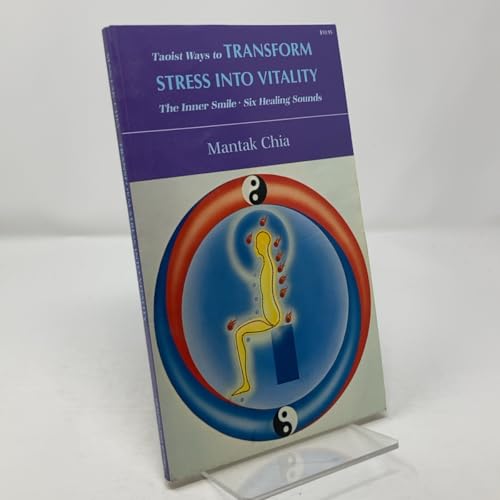
Taoist ways to transform stress into vitality
Mantak Chia
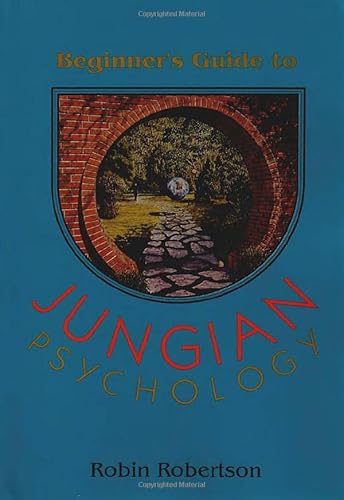
Beginner's guide to Jungian psychology
Robertson, Robin
The quest for happiness often leads to frustration, as many fail to realize that the...

Reaching sixty can evoke complex emotions, blending relief with ongoing ambition. This...

The quest for life's purpose often leads to unsatisfactory answers. This article...

Romantic love is a complex emotion shaped by historical, cultural, and biological...

Imagine going through one of the most physically and emotionally demanding experiences...

Daily actions often conflict with personal beliefs due to past experiences. By utilizing...

Have you ever argued over something that wasn't actually said? From cultural differences...

Therapists often use dream interpretation to delve into patients' emotions, but true...