
Happiness & Success
Achieving Happiness Through Acceptance of Life
The quest for happiness often leads to frustration, as many fail to realize that the...








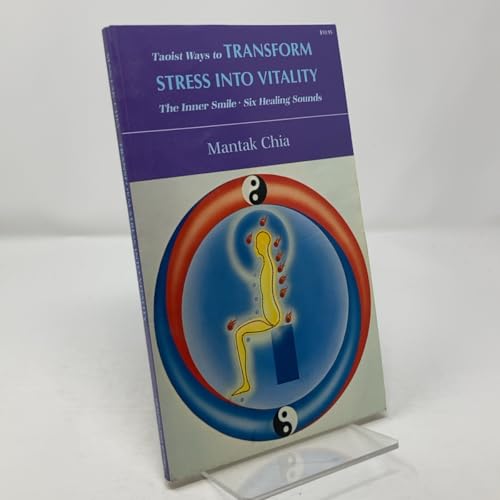
# Transform Your Relationship With Stress: Ancient Wisdom for Modern Living
Stress has become an inescapable companion in contemporary life. Work pressures, relationship challenges, health concerns, and the relentless pace of modern society leave many people feeling depleted, anxious, and disconnected from their natural vitality. Yet what if the very energy that creates stress could be redirected and transformed into a source of renewed vigor and inner peace? This groundbreaking exploration presents ancient Eastern practices that offer a radically different approach to understanding and managing stress than anything found in conventional Western psychology.
Rather than viewing stress as something to be eliminated or suppressed, this work introduces readers to the revolutionary concept of transmuting stress into life energy. Drawing from thousands of years of Taoist philosophy and practice, these techniques teach how to recognize stress as a powerful force that can be consciously channeled toward personal transformation and enhanced vitality. This paradigm shift alone can fundamentally change how readers relate to the challenges and pressures they face daily.
Read more ▼
The mindful way through anxiety
Susan M. Orsillo
Sunita Pattani
Seagrave
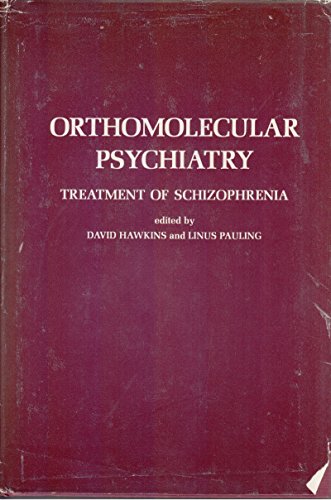
Orthomolecular psychiatry: treatment of schizophrenia
David R. Hawkins
The quest for happiness often leads to frustration, as many fail to realize that the...

Reaching sixty can evoke complex emotions, blending relief with ongoing ambition. This...

The quest for life's purpose often leads to unsatisfactory answers. This article...

Romantic love is a complex emotion shaped by historical, cultural, and biological...

Imagine going through one of the most physically and emotionally demanding experiences...

Daily actions often conflict with personal beliefs due to past experiences. By utilizing...

Have you ever argued over something that wasn't actually said? From cultural differences...

Therapists often use dream interpretation to delve into patients' emotions, but true...