
Happiness & Success
Achieving Happiness Through Acceptance of Life
The quest for happiness often leads to frustration, as many fail to realize that the...








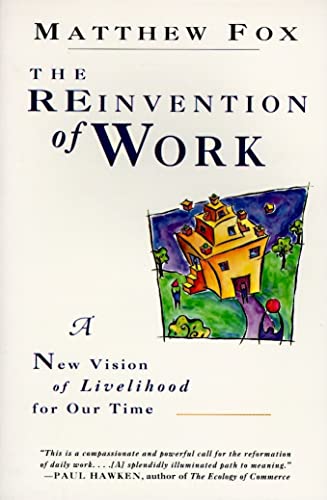
Work consumes a tremendous portion of our lives, yet for many people it has become a source of deep dissatisfaction, stress, and spiritual disconnection. What if the problem isn't simply finding the right job or achieving better work-life balance, but rather our fundamental understanding of what work means and how it fits into a life of purpose and meaning? This groundbreaking exploration challenges readers to completely reimagine their relationship with work, transforming it from mere labor into a sacred practice that nourishes the soul and serves the greater good.
At the heart of this vision lies a radical proposition: work can and should be an expression of creativity, a form of spiritual practice, and a vehicle for contributing to the healing of our world. Rather than viewing work as something to be endured or escaped, readers are invited to consider how their daily efforts might become sources of joy, fulfillment, and genuine service. This isn't about superficial positive thinking or simply adjusting one's attitude toward an unfulfilling job. Instead, it represents a fundamental shift in consciousness about the role of work in human life and society.
The exploration begins by examining how our cultural understanding of work has become disconnected from its deeper spiritual dimensions. Throughout history and across cultures, work has often been understood as sacred activity, intimately connected to community wellbeing and cosmic order. However, the industrial revolution and modern economic systems have reduced work to mere employment, divorced from meaning, creativity, and soul. This disconnection has contributed to widespread burnout, environmental destruction, and social fragmentation. By understanding this historical trajectory, readers gain insight into why so many contemporary workers feel alienated and unfulfilled.
Read more ▼
Darrell M. West

Henry Lin

Christopher Vasey

Jim Donovan
The quest for happiness often leads to frustration, as many fail to realize that the...

Reaching sixty can evoke complex emotions, blending relief with ongoing ambition. This...

The quest for life's purpose often leads to unsatisfactory answers. This article...

Romantic love is a complex emotion shaped by historical, cultural, and biological...

Imagine going through one of the most physically and emotionally demanding experiences...

Have you ever argued over something that wasn't actually said? From cultural differences...

Daily actions often conflict with personal beliefs due to past experiences. By utilizing...

Therapists often use dream interpretation to delve into patients' emotions, but true...